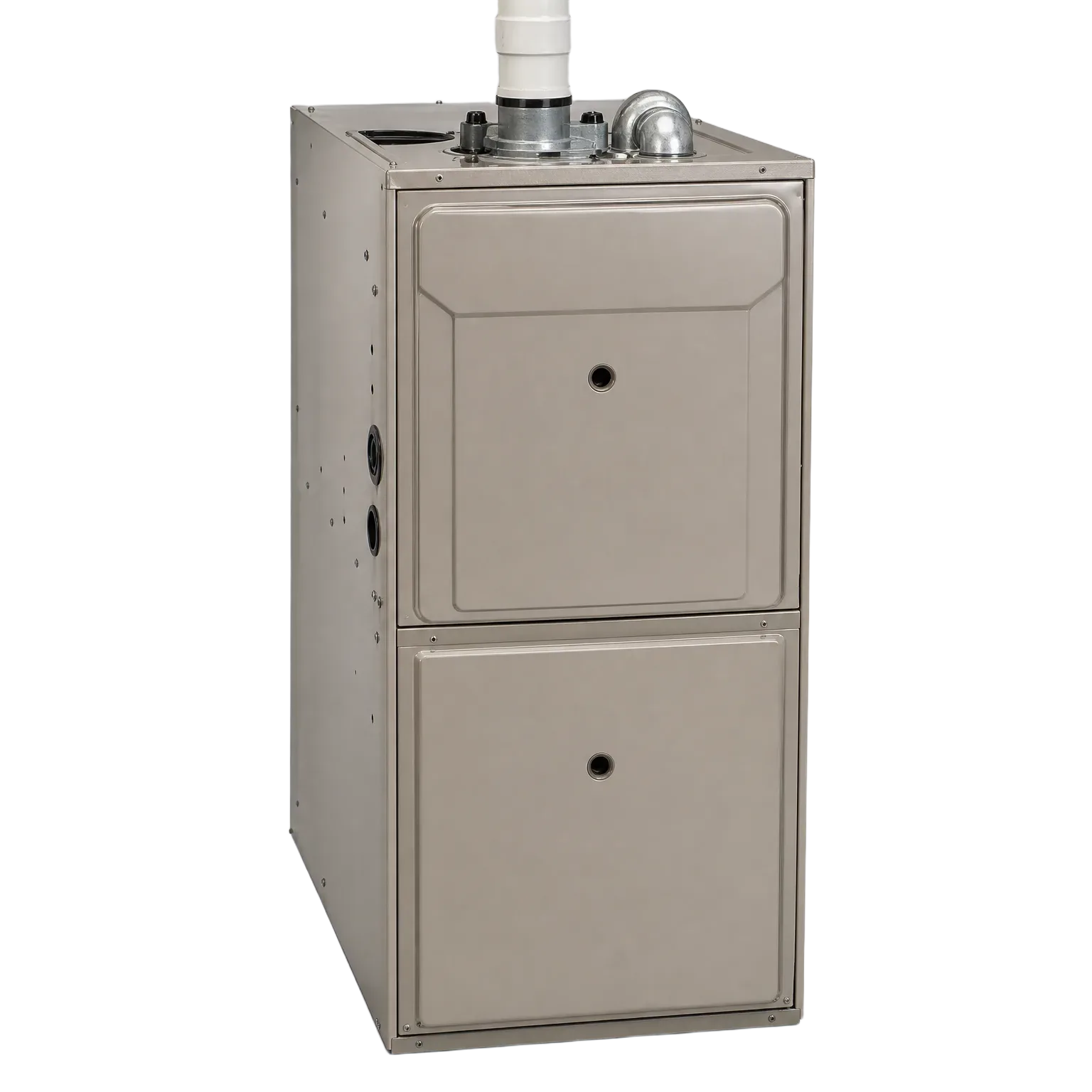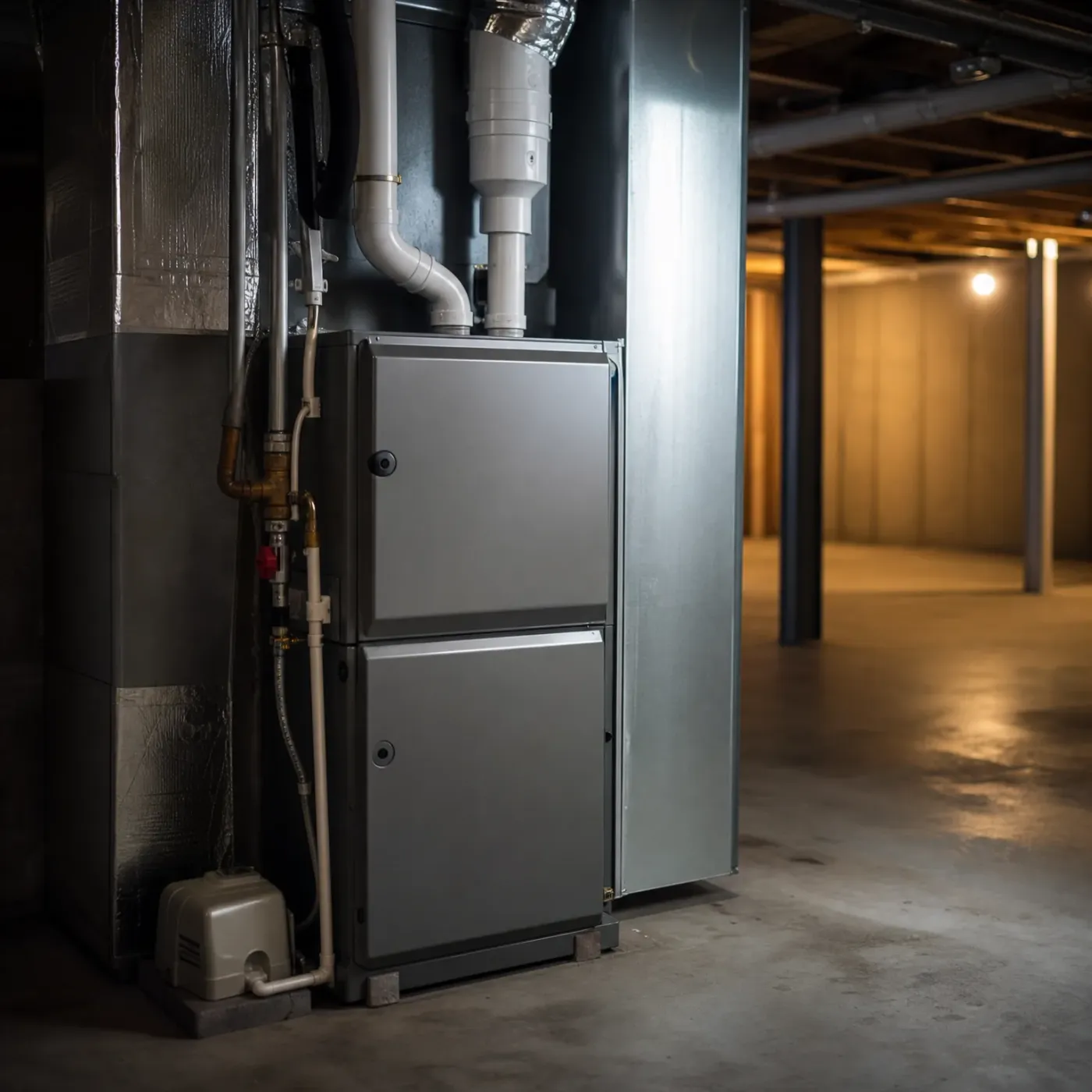






A gray high-efficiency furnace with PVC venting, copper and plastic piping, and a condensate pump sits beside sheet-metal ductwork in a concrete-floored basement.

Skip the search

Furnace pilot light keeps going out in Delaware

A pilot that won't stay lit usually comes down to a dirty or bent thermocouple, a draft hitting the flame, or a dirty pilot orifice. This page gets into what causes it and what a furnace repair tech checks first. Instead of searching around and calling a few companies to describe the same problem over and over, you get matched with one licensed Delaware contractor who works on furnaces like yours all winter.

Describe it once

A pilot light that keeps going out is almost always one of three things: a thermocouple that's worn out or sitting out of place, a draft reaching the flame, or a pilot orifice clogged with soot. The thermocouple is a small sensor that sits in the pilot flame and tells the gas valve it's safe to keep sending gas. Once it ages or slips out of position, it reads the flame wrong and shuts the gas off, even though the pilot was burning fine seconds earlier. A draft does the simpler version of the same thing: it blows the flame away from the thermocouple long enough for the valve to think the pilot is out. Furnaces in Delaware basements and utility closets often sit near a door, a vent, or a gap where outside air gets in, so a draft problem can show up and disappear depending on the weather. None of this fixes itself, and relighting the pilot over and over just delays dealing with the actual part that's failing.

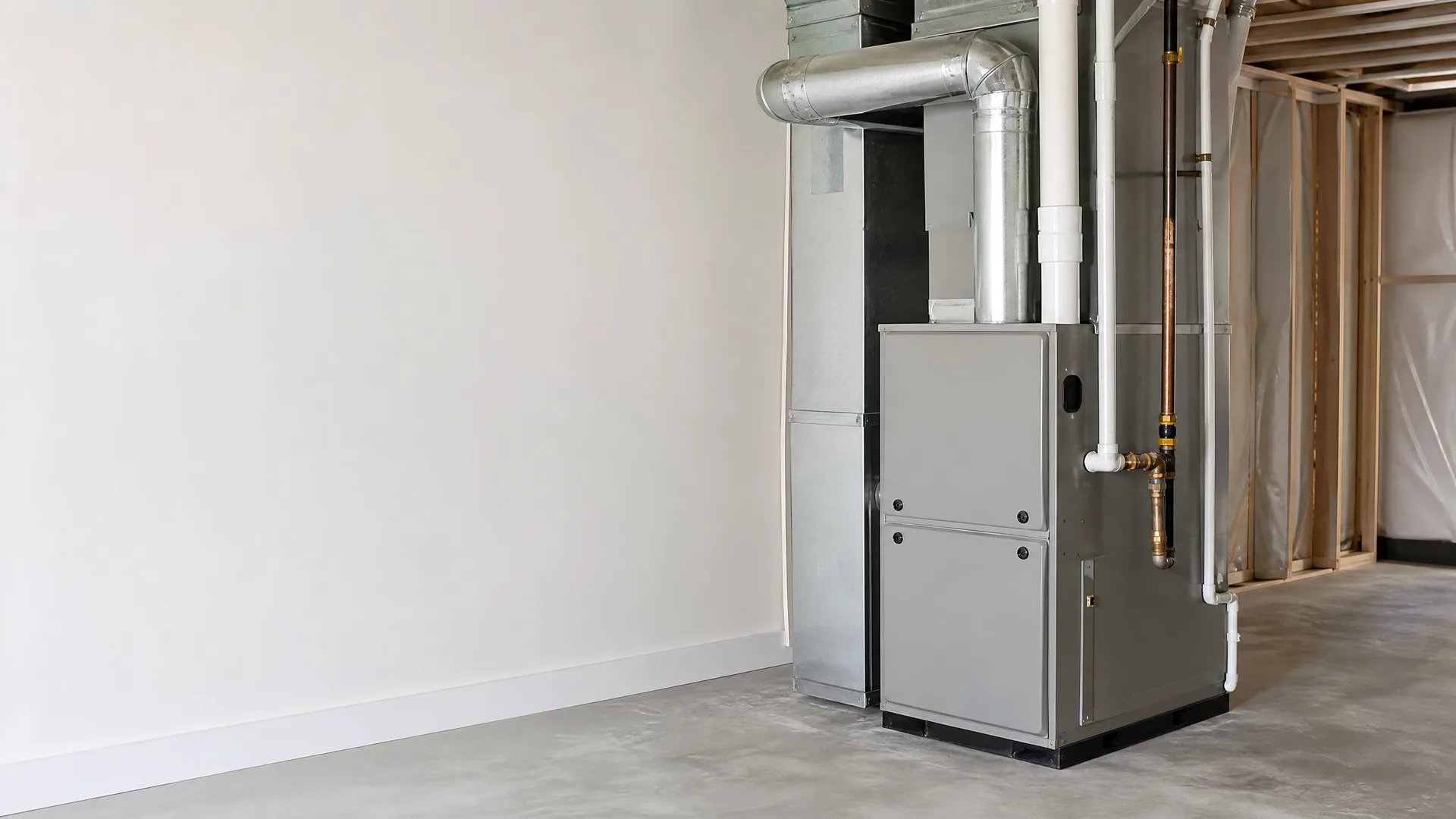
A gray high-efficiency furnace with white PVC vent pipes stands against a concrete basement wall beside sheet-metal ductwork, a small condensate pump on the floor, and exposed wood framing at left.
A pilot flame that burns steady and blue, with no rattle from the ductwork above, means the thermocouple is seated right and nothing's pulling a draft across it.
A gray sheet-metal furnace with flue pipe and adjacent ductwork stands against a stone basement wall on a concrete floor, with white PVC and metal pipes running nearby.
A pilot that won't hold next to old gas lines and flex tubing points to a thermocouple worn thin or soot built up in a basement that's never fully sealed.

The pilot system runs on a small amount of electricity the thermocouple makes on its own. When the pilot flame wraps around the tip of the thermocouple, the metal heats up and produces a weak voltage. That voltage travels to the gas valve and holds it open. No flame touching the tip, no voltage, and the valve closes the gas off within seconds. This is why position matters more than most homeowners expect. The tip needs to sit right in the flame, close to half an inch deep, for the voltage to stay strong enough. Move it a quarter inch off center and the reading drops enough for the valve to cut gas, even though the pilot looks lit when you check it. A dirty orifice causes the same shutdown a different way, by starving the flame down until it's too small or too far off to reach the tip at all. A furnace repair tech works through this in order: flame first, position second, then a multimeter test on the thermocouple itself before deciding whether it needs cleaning, adjusting, or swapping out.

How the Thermocouple Actually Holds the Flame

  • The thermocouple has to sit directly in the pilot flame, usually about half an inch deep, or it reads the flame as out.
  • A thermocouple generates a small voltage only while it's hot, and that voltage is what holds the gas valve open.
  • Once the flame tip is more than about a quarter inch off the thermocouple, the voltage drops and the valve shuts the gas off.
  • Soot or dirt on the pilot orifice shrinks the flame until it can't reach the thermocouple at all.
  • A furnace repair tech checks flame color and shape first, since a flame that's small, yellow, or leaning points to a dirty orifice or a draft rather than a bad thermocouple.
  • If the thermocouple tests weak on a multimeter even after cleaning, it gets replaced rather than adjusted.
A woman in a knitted shawl sits in a living room with a fireplace, shelves, a sofa with cushions, and a lamp by a bright window, looking off to the side.
A woman with long brown wavy hair in a green shirt over a white top stands in a living room with built-in white shelves, a ceiling fan, a potted plant and a sliding glass door.
A woman with shoulder-length gray-streaked hair in a light gray knit sweater stands smiling and looking off to the side in a living room with a sofa, houseplant, framed picture, and sunlit sliding glass door.
A woman with shoulder-length curly gray hair wearing a gray knit sweater stands near a window with a sheer curtain, looking to the side, with a blurred interior room behind her.

Why a thermocouple fails over time

A thermocouple reads the flame through direct contact, and that tip takes the heat of the pilot every time the furnace runs. Years of that cycle oxidize the metal and the signal it sends gets weaker, even when the flame still looks fine. At some point the voltage it puts out isn't enough to hold the gas valve open, and the pilot drops out minutes after you relight it. A furnace running gas heat from October through April puts a lot of hours on that one part, more than a thermocouple in a furnace used only a few months a year.


Why pilot problems outlast winter

A soot-clogged orifice or a thermocouple out of position doesn't fix itself once the weather warms up. The furnace sits idle through the muggy months here, and the same fault is waiting when you need heat again. Catching it now, rather than on the first cold night, means it gets diagnosed without the rush of a house that's gone cold. A tech who works on furnaces around here all season has seen this same pilot complaint enough times to know which of the usual causes it is before taking the burner cover off.

A woman and a child wrapped together in a thick knitted blanket on a sofa, both with eyes closed, with a lit table lamp and houseplant in the dim background.
An older woman with short gray hair in a cream cable-knit turtleneck sweater smiles while looking to the side in a wooden kitchen, with a round loaf of bread on a board in the foreground and a lit candle by a dark window.

Explain it one time

Your request stays with one local pro.

Asking costs nothing, and the choice to hire stays yours.

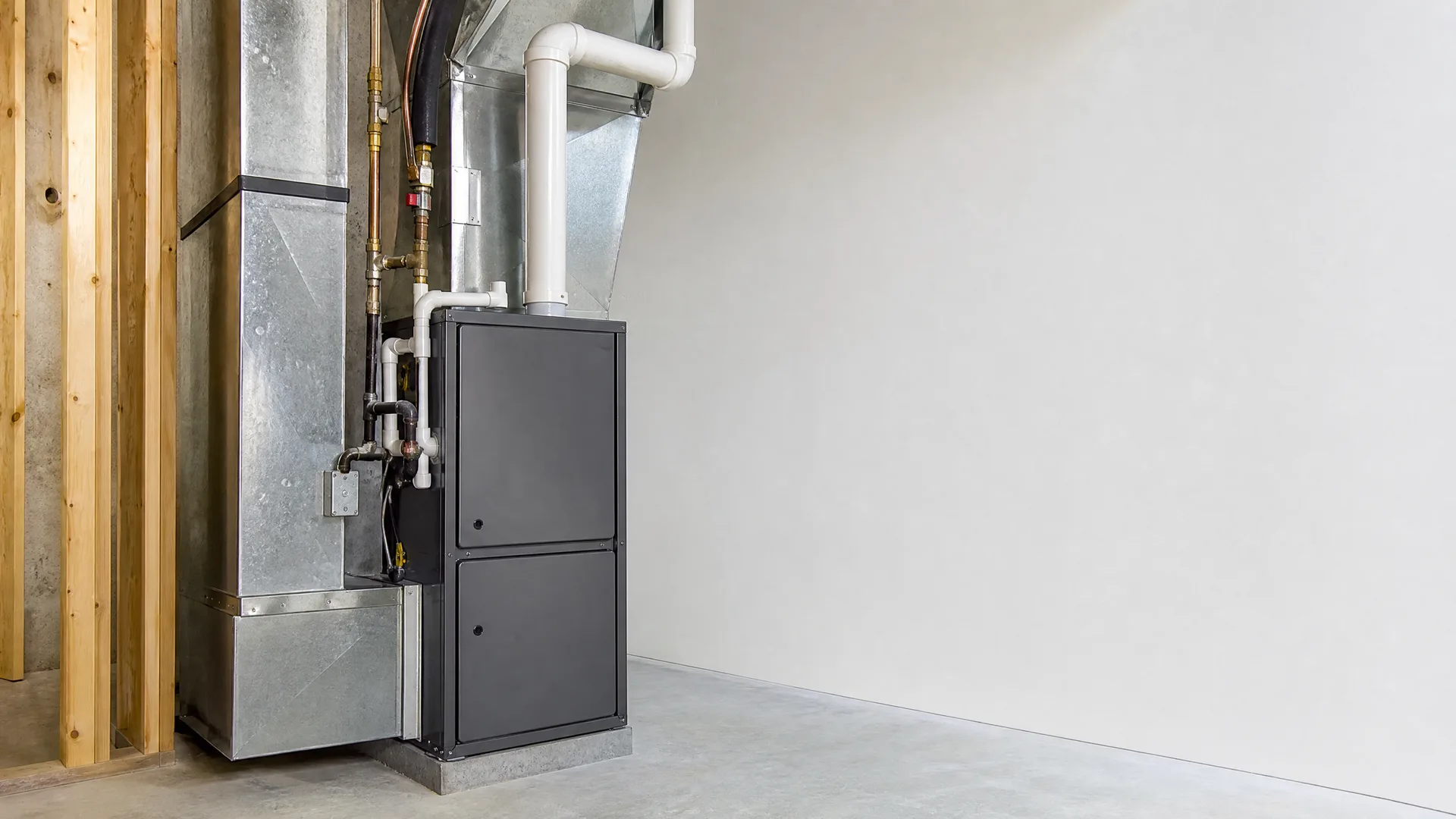
A dark gray furnace connected to galvanized sheet-metal ductwork, white PVC vent pipes and copper piping, standing against a plain light wall in a room with a bare concrete floor and exposed wood framing at left.

What happens when it won't stay lit

Once the pilot goes out, the furnace shuts down and stays that way until someone relights it. In a Delaware house in January, that means the rooms where your family spends the evening start cooling off within an hour or two. If it goes out overnight, you'll feel it at breakfast. A furnace that keeps dropping out isn't cycling less, it's just not heating at all during those stretches, and someone in the house has to notice and deal with it each time.

A gray high-efficiency furnace with sheet-metal ductwork, white PVC vent pipes and copper piping stands against a wall in an unfinished basement with a concrete floor and insulated wood stud framing at right.

Why it keeps happening instead of once

A thermocouple that's starting to fail doesn't quit for good the first time. It holds the valve open on a strong flame, then drops out again as soon as the flame wavers or the metal cools past its threshold. That's why relighting it seems to work for a day or two before it happens again. Each relight is a patch, not a fix, and the pattern usually gets more frequent as the thermocouple wears further rather than staying the same.

Relight It Yourself or Call a Tech

Relight it yourself

  • Most furnaces have the relight steps printed on a plate inside the front panel, right next to the pilot assembly.
  • You hold the gas knob in for about a minute after lighting so the thermocouple has time to heat up and signal the valve to stay open.
  • If it goes out again within a day or two, that's a sign the thermocouple or orifice needs attention, not just a bad light.
  • Relighting it doesn't fix a draft problem, a worn thermocouple, or soot in the orifice, so the same thing happens again.
  • You save a service call if it turns out to be a one-time gust of air or a pilot that was never seated right after a filter change.

Have it diagnosed

  • A tech who works on furnaces all winter in Delaware homes can tell a worn thermocouple from a draft problem by looking at the flame itself.
  • Matching with one local, licensed contractor means one call and one visit, not a round of quotes from companies you don't know.
  • A tech checks the thermocouple's position and the orifice for soot, something hard to judge yourself without taking the panel apart correctly.
  • If the pilot keeps going out through a cold stretch, you're not stuck relighting it by hand while the rooms where your family sits cool down.
  • Skipping the search for who's available and who actually works on your furnace model saves you from explaining the same problem to several companies.
  1. Pilot flame heats the thermocouple tip sitting inside it

  2. Thermocouple generates a small voltage from that heat

  3. Voltage holds the gas valve open and the pilot lit

  4. Draft, soot, or a worn thermocouple drops the voltage

Winter nights average 28°F statewide

On a 28°F night, your furnace is firing often to keep up, which means that pilot is holding steady for hours at a stretch. A weak thermocouple or a stray draft that only causes trouble once in a while gets exposed fast, and a furnace that quits at 2 a.m. in that kind of cold is the one that gets noticed.

NOAA nClimDiv 1991-2020 county normals weighted by homes

A gray gas furnace stands on a concrete basement floor, connected to sheet-metal ductwork, white PVC vent pipes, and a yellow gas line, with plastic sheeting covering the walls.

Furnace running right

A pilot that's holding should burn steady, small, and blue, with the thermocouple seated right in the flame. Gas lines and venting stay tight, and the furnace fires and holds without you touching the panel. That's what a newer setup in a clean basement looks like when nothing's wrong.

A metal furnace with louvered panels stands against a concrete basement wall, connected to sheet-metal ductwork and a round flue pipe, with wooden framing posts and a pipe nearby.

Furnace losing the pilot

An older furnace with a worn thermocouple and some dust built up around the burner tells a different story. The flame lights, holds for a bit, then drops out again as the sensor loses its signal. That cycle of relighting is what a tech is checking for the first time they see the unit.

Why does your pilot keep going out at night

You go down to check and the pilot's out again, maybe the second or third time this week. The burner never fires, so the vents blow cold and the thermostat keeps climbing past what you set it to. You relight it, it holds for a few hours, then it's out again when you check before bed. Some nights you'll catch a faint gas smell near the panel right after it goes out, which is normal for a few seconds but shouldn't linger. If this keeps happening on the coldest nights and nobody catches it until morning, the house can get cold enough that pipes along outside walls are worth checking.

View from under a covered porch with a white column toward a red brick house with a dark door, with falling snow, snow-covered ground and bare trees in the background.

Winter nights across Delaware average 28°F, according to NOAA climate data. That's cold enough that your furnace is running long stretches to keep the house even, not just short bursts here and there. A pilot that's barely hanging on, weak thermocouple signal, a draft sneaking through a loose vent cap, gets tested hard on a night like that. It holds for an hour, maybe two, then quits right when the house needs it most. You'll notice it as a chill setting into the rooms you sit in after dinner, and a trip down to the furnace to relight it before bed. The colder the night, the sooner a bad pilot shows itself.

NOAA nClimDiv 1991-2020 county normals weighted by homes

A wooden table in the foreground holds a closed laptop and a ceramic mug of coffee, with a spindle-back wooden chair behind it, a beige wall with paneled wainscoting, a window at left, and a kitchen counter with a cutting board, bowl of fruit and greenery at right.

A pilot that won't hold has a cause, and it gets found

A pilot that keeps going out is a thermocouple worn down or out of position, a draft reaching the flame, or an orifice clogged with soot. One of those three is behind it. A tech who works on furnaces all winter can look at the flame and the parts around it and tell you which, usually without much guesswork.

Instead of relighting it again tonight and hoping it holds, you can have someone local look at the actual part that's failing. That skips calling around to find a furnace tech, explaining the pilot problem to three different companies, and sorting through quotes that don't tell you much on their own. One contractor who knows this equipment comes out, looks at the thermocouple and the draft path, and tells you what's wrong. Your furnace keeps your family warm on 28 degree nights. It's worth having someone look at it once, instead of relighting it every time it quits.

A dark ceramic mug on a round wooden table beside a light grey sofa with a woven cushion and knit throw, with a window, potted plant, floor lamp and wooden cabinet blurred in the background.
A dark gray high-efficiency furnace with two white vent pipes and connected sheet-metal ductwork stands in an unfinished basement with concrete walls, a support pole, and a small window.

Skip the calls to every shop

Step 1 of 3: Equipment