







How often to change your furnace filter in Delaware

Describe your furnace job, and a local pro who handles it gets in touch.

Get matched

Change a standard 1-inch furnace filter every one to three months. Most homes here run the furnace from October through April, and a gas furnace moves air across that filter the whole time, so it loads up with dust and pet hair faster than you'd think. Summers in Delaware get sticky, and if your system handles cooling too, the filter is working through those humid months as well, which means less idle time to stretch that change-out further. A thicker, pleated filter can often go three to six months, but check the cardboard frame for the number printed there rather than guessing. A clogged filter makes the furnace pull harder to move the same air, and with power costs here running high, that shows up on the bill before it shows up as a breakdown. It also means warm air gets to fewer rooms. Checking monthly costs nothing and tells you whether it's still too soon to swap it.

A furnace in a dim basement with a dirty pleated air filter partially pulled out of its slot, beside a water heater and concrete walls and floor.

You're down in the basement on an October afternoon, checking the furnace before the cold really sets in. You slide the filter half out of its slot to look at it and stop. It's gray, matted thick with dust, a few strands of pet hair caught across the frame. Behind it, the furnace fan is already running, pulling air through whatever's left of the clean side. You can't remember if you put this one in at the start of summer or before that. Upstairs the house feels fine, warm enough, no smell, nothing wrong you'd notice without looking. But here it is in your hand, and it's not going back in.

A man seen from behind raises his hand to wave at a woman standing in the open front doorway of a single-story house with gray shingle siding, white columns and a gabled porch entry.

What a dirty filter actually does to your furnace

A furnace filter isn't there to protect your lungs. It's there to keep dust out of the blower motor and off the burners. When it loads up, the blower has to pull harder to push air through it, and that strain is on the motor every single hour the furnace runs. Gas furnaces here run long hours from October through April, so a clogged filter isn't a one-time stress, it's a daily one.

There's a second piece most people don't know. A furnace has a flame sensor and a limit switch that watch heat inside the cabinet. Restrict the airflow enough and heat backs up where it shouldn't, and the limit switch will shut the burners off to protect the unit. That's why a furnace can start short-cycling, running a few minutes, stopping, running again, for no reason you can see from upstairs. A contractor who comes out for that complaint will check the filter before anything else, and matching you with one who already knows what to look for saves you from describing the problem twice.

A gray upholstered sofa with a textured cushion sits beside a dark round side table holding a vase of green foliage, with a table lamp and sheer-curtained window behind.
A gray-haired bearded man in a dark coat and scarf dusted with snow stands smiling in a dimly lit entryway with a white front door, a side table with a lit lamp, an oval mirror, and a patterned rug.
An older bearded man in a dark snow-dusted coat and gray scarf stands just inside a dimly lit home entry, with a framed picture, lit table lamp, and an adjoining room with a fireplace behind him, and snow visible through the open door.
A gray-haired, bearded man in a dark snow-dusted coat stands smiling in a dimly lit entry hall with a staircase, a lit table lamp, a framed picture, and a living room visible through a doorway.
An older man with gray hair and a beard, wearing a dark jacket dusted with snow, stands smiling in a dimly lit hallway with lamps and a living room visible behind him.

Winter nights average 28°F statewide

At 28°F on a typical winter night, your furnace is cycling on for long stretches to keep up. That's a lot of air pulled through the filter between October and April, so a clogged one starts choking the blower well before three months are up.

NOAA nClimDiv 1991-2020 county normals weighted by homes

A 1-inch filter

Most furnaces in Delaware basements take a standard 1-inch filter, and it's cheap, but it doesn't hold much. With the furnace running from October through April, a 1-inch filter can load up with dust and pet hair in a month or two if you've got pets or the house gets dusty. You're checking it monthly and swapping it out two or three times over the winter. It's an easy habit once you're in it, but skip a month and you'll notice, because the furnace starts working harder to pull air through it.


A thicker 4-inch filter

Some furnaces here are set up for a 4-inch media filter instead, usually installed as part of the system rather than added later. It holds a lot more dust than a 1-inch filter, so it can go three to six months before it needs changing, sometimes longer. You're checking it less often and buying fewer filters over the season. If your furnace came with one of these, it's worth knowing before you go looking for the wrong size filter at the store.

A beige residential furnace stands on a concrete basement floor beside galvanized sheet-metal ductwork, a round flue pipe, copper gas piping, and a PVC condensate line, with a wood-paneled wall at right.
Before you get your furnace maintenance
A gray high-efficiency furnace in a basement with white PVC vent pipes, sheet-metal ductwork, copper and black piping, a condensate pump, and insulated walls above a concrete floor.
After you get your furnace maintenance

A local pro for your furnace maintenance

You know by now that a filter left too long makes the blower work harder and lets dust settle where it shouldn't. Checking it monthly and swapping it on schedule is simple to say and easy to let slide once the furnace is running through a busy winter. A contractor who handles furnace maintenance will look at more than the filter: the blower, the burners, the pressure switch, and tell you what shape they're really in. Finding one usually means searching, calling a few numbers, explaining the same thing about your furnace each time, then sitting with quotes trying to tell them apart. That's the part worth handing off. Delaware winters run October through April, and summers get sticky enough that the system barely gets a rest. A furnace working that many months a year deserves more than a guess about when it was last looked at. Get matched with a contractor who knows this and let them reach out to you.

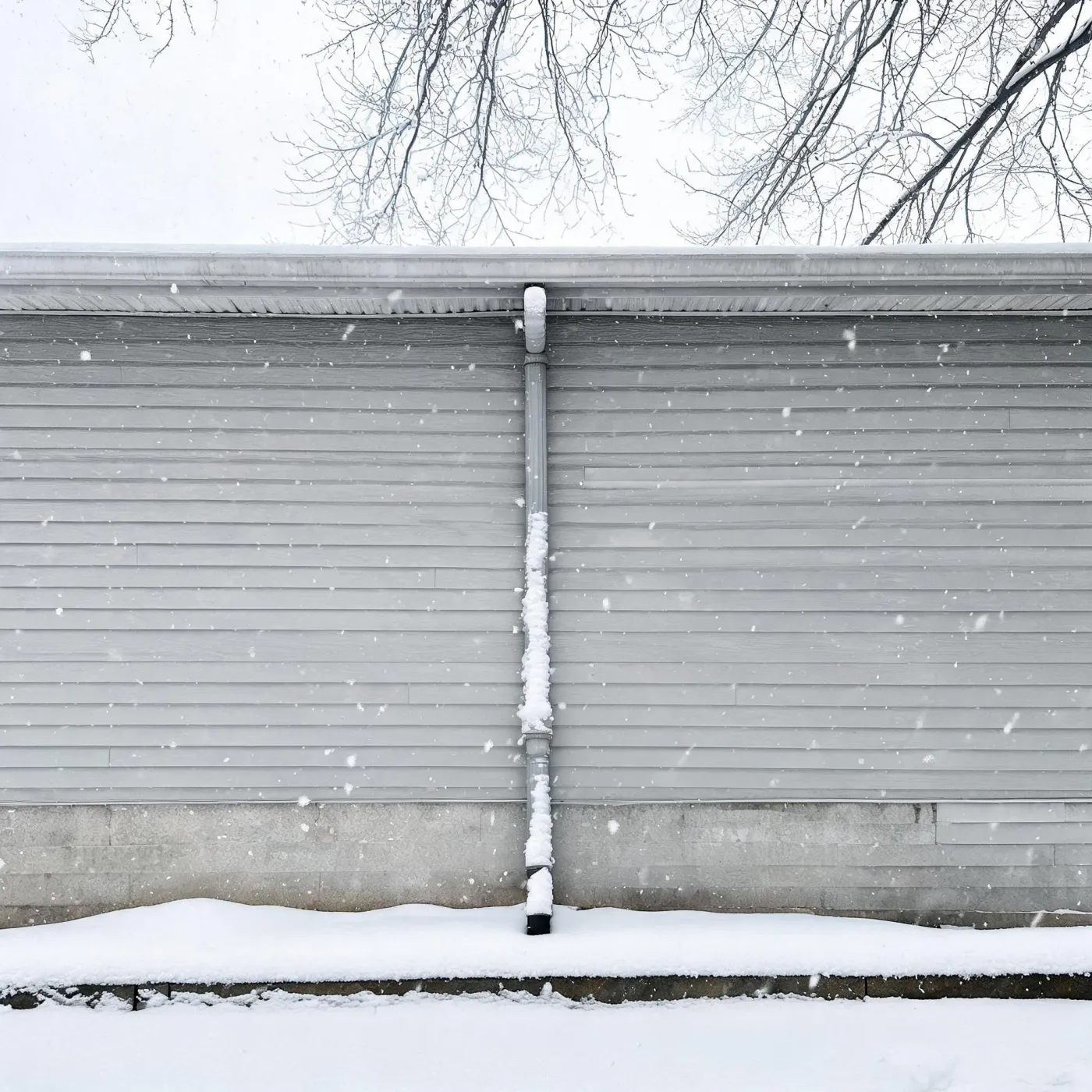
Gray horizontal lap siding on a building above a concrete block foundation, with a central downspout partly coated in snow, falling snowflakes, snow-covered ground, and bare tree branches against a white sky.

On a night that lands on 28°F, your furnace doesn't shut off much. It runs in long stretches to hold the house steady, and every one of those stretches pulls air through the filter in the basement. A clean filter lets that air move freely. A filter packed with dust and pet hair makes the blower strain to pull the same amount through, and you'll feel it as a furnace that runs longer than it used to, or rooms that stay cooler than the thermostat says they should be. Source: NOAA climate normals.

NOAA nClimDiv 1991-2020 county normals weighted by homes

Is the air coming from your vents weaker than it used to be?

Walk around the house and hold your hand up to a few vents. If the air feels thinner than you remember, or one room upstairs never quite gets warm while the thermostat says it should, that's usually a filter doing its job too well. The blower is pushing air through dust it can't get past. You might notice the furnace running longer to heat the same rooms, or a faint burning smell when it kicks on, which can mean dust sitting too close to the burners. Left alone, the blower motor is working harder than it needs to every day it runs between October and April, and with power costs what they are here, that shows up on the bill before it shows up as a breakdown.

A gray high-efficiency furnace stands on a concrete basement floor beside galvanized sheet-metal ductwork, white PVC vent pipes, copper and black piping, and unfinished wood stud framing.

The furnace clear and breathing right

This is a furnace pulling air through a clean filter, with the ductwork, gas lines, and condensate pipes all doing their job without strain. The blower moves air the way it was built to, and nothing in the basement is working harder than it has to.

A gray furnace with two access panels stands on a concrete basement floor beside sheet-metal ductwork, with pipes, flexible conduit and an electrical box on the concrete wall to the left.

The furnace running on a clogged filter

Same basement, same furnace, same gas and drain lines along the wall. But behind one of those access panels, the blower is pulling against a filter packed with months of dust, and it will keep pulling that hard every time the furnace cycles on until someone changes it.

Checking it yourself vs. having it checked

Checking it yourself

  • You have to remember to go down to the basement and look, and that's easy to skip once the furnace is running fine and the house is warm.
  • You can tell gray and matted from clean, but you can't always tell if the blower is already straining before the filter looks that bad.
  • If you're away or busy through part of the winter, the filter keeps loading up whether you're tracking it or not.
  • You're on your own for the size and type your furnace actually takes if you haven't written it down somewhere.
  • Swapping the filter doesn't tell you whether the blower motor or the ductwork took any strain from the months before you caught it.

Having a contractor look

  • A contractor checks the filter as part of going through the furnace, so it's one less thing you have to remember on your own.
  • You get matched with someone who serves Delaware and reaches out to you, instead of you calling around and explaining the same thing to each one.
  • Someone who works on furnaces regularly can tell you if the blower or burners show any sign of strain from a filter that went too long.
  • You skip comparing quotes from different outfits yourself since the matching takes care of finding someone suited to your situation.
  • A contractor can confirm the exact filter size and type your furnace needs instead of you guessing at the basement supply store.
A gray high-efficiency furnace with white PVC vent pipes stands beside sheet-metal ductwork and a water heater in an unfinished basement with concrete walls and wood framing.

Furnace running clean

This is what a furnace looks like with a clean filter in place. Air moves through the ductwork without resistance, the burners fire the way they're supposed to, and the blower isn't working any harder than it has to. Nothing in the basement is under strain.

A beige gas furnace with a metal flue pipe stands in a basement against concrete block walls, beside sheet-metal ductwork, copper and white plastic pipes, and a water heater at right.

Furnace running choked

This furnace has been pulling air through a filter that's gone too long between changes. The blower strains to push air past the clog, and dust that should have been caught starts working into the ductwork and across the burners instead. Nothing about this shortens the furnace's life.

A woman wrapped in a thick beige fleece blanket sits on a sofa with an open book on her lap, beside a lit table lamp, with a frost-covered window behind her.
A gray-haired woman in a cream knit sweater stands in a dimly lit kitchen at night, looking to her right, with a round loaf of bread in the foreground and a dark window and potted plant behind her.

Where that leaves you

  • Change a standard 1-inch filter every one to three months, checking it monthly once the furnace is running through a Delaware winter.
  • A furnace that runs from October through April loads its filter with dust faster than most people expect.
  • A clogged filter makes the blower work harder, and that strain is what turns into a repair bill later.
  • Weak airflow at the vents or a room that won't hold its temperature are both signs the filter is overdue.
  • Finding a contractor on your own means calling around, explaining the same thing twice, and sorting through quotes that don't match up.
  • Matching with a contractor who already knows gas furnaces in Delaware skips that search and gets someone reaching out to you directly.

A furnace filter is one of the simplest things in your house to stay on top of, and one of the easiest to forget once winter settles in and the house is warm. The schedule is plain: one to three months on a standard 1-inch filter, checked monthly so you're not guessing. Delaware's winter gives that filter a long stretch of work, October through April, with the blower pulling air through it on every cycle. A filter that goes too long doesn't just get dirty. It makes the blower strain, and that strain is what shows up later as a repair call instead of a routine swap. Weak air at the vents, a room that won't hold heat, those are the furnace telling you the filter's overdue before anything breaks.

None of that requires much once you know what to look for. What takes the time is everything around it when something does need a closer look: finding a contractor who actually works on gas furnaces, calling two or three of them, explaining the same symptoms again each time, then sitting with quotes that don't line up and trying to figure out why. That part isn't about the filter at all, it's just the cost of finding someone to trust. Getting matched with a contractor who already knows furnaces like yours skips that whole search. You answer once, and the contractor reaches out to you, not the other way around.

A gas furnace with attached PVC and metal piping and sheet-metal ductwork stands on a concrete pad in a dim unfinished basement with concrete walls and exposed floor joists.

Get the right pro for your furnace

Describe your furnace job once, to one pro.

Step 1 of 3: Equipment