 Match me with a pro
Repair or replace an aging furnace in Delaware
A local installer who puts in furnaces gets your project.
A furnace that's struggling in January doesn't wait for a good time to quit. If yours is short cycling, running longer than it used to, or the gas bill climbed again last winter, you're trying to figure out whether a repair gets you through another season or whether you're just paying to delay the same decision.
Gas furnaces in Delaware homes put in a lot of hours between October and April, and with power costs what they are here, an aging unit running inefficiently shows up on the bill long before it fails outright. That's worth weighing against the cost of a new system now, not just the repair in front of you.
The right call depends on things specific to your house: how old the furnace actually is, what's failed on it before, and what your gas and electric bills have looked like the last winter or two. A contractor who works on furnaces in Delaware homes all winter has seen which models hold up and which ones start failing in the same way around the same age, and can look at yours and tell you honestly whether it's worth fixing again.
Asking for that won't get your phone ringing off the hook. You'll be matched with one licensed contractor local to Delaware, and that contractor will reach out to you directly to look at your situation. No repeat sales pitch, no reciting what's already on this page, just someone who knows this equipment giving you a straight answer about your furnace.
The general rule is this: if your furnace is 15 to 20 years old and needs a repair that costs more than a third of what a new one would run, replace it. Under that age, a repair usually makes sense, especially for something like an igniter or a flame sensor, which are common failures and cheap to fix. A cracked heat exchanger or a failed control board on an older unit is a different story, and that's usually where replacement wins. Most homes in Delaware heat with gas, and an aging gas furnace loses efficiency as it ages, so even a unit that's still running may be costing more to operate than it should. With power prices here on the high side, a furnace that's working harder than it needs to shows up directly on the bill. If yours is in that 15 to 20 year range and the repair quote is climbing, it's worth getting a second opinion on replacement before you commit to the fix.


The control board calls for heat and opens the gas valve. The igniter lights the burners, and on most furnaces installed in the last couple decades that's a hot surface igniter rather than a standing pilot. A flame sensor has to confirm the burners caught before anything else happens. Once it does, the inducer motor starts pulling combustion gases out through the flue so they vent outside instead of backing up into the house. The blower waits a few seconds longer, until the heat exchanger has warmed up, before it starts pushing air through your ducts. That lag is normal.
The heat exchanger is the part doing the real work, keeping combustion gases separate from the air that reaches your rooms. A crack in it is the one problem that means replace, not repair. How the furnace vents depends on its age. Older units rely on metal flue pipe and rising heat to push exhaust out. Newer high-efficiency ones vent through PVC, with a draft inducer doing the work instead of heat alone, which is why they can vent sideways through a wall. If your furnace is short cycling, it's often shutting itself down on purpose, tripped by a dirty flame sensor or a clogged filter.
How a gas furnace actually fires
- A gas furnace fires because a control board calls for heat, opens the gas valve, and lights the igniter, usually a hot surface type on anything installed in the last couple decades.
- Once the flame sensor confirms the burners are lit, the inducer motor keeps pulling combustion gases out through the flue so they don't back up into the house.
- The blower doesn't start moving air until the heat exchanger is warm, which is why you feel a lag of a few seconds after the burners light.
- That heat exchanger is the part separating the combustion gases from the air headed into your ducts, and a crack in it is the one failure that means replace, not repair.
- Older furnaces vent through metal flue pipe using heat alone to push exhaust up and out, while newer high-efficiency models use PVC pipe and a draft inducer strong enough to vent sideways through a wall.
- A furnace that short cycles is usually shutting itself down on purpose, often because a dirty flame sensor or a clogged filter is tripping a safety switch.




A pro who works on furnaces

One installer gets your project, so there's no bidding war over it.
You only hire the pro if you want to.
Why age changes the math
A furnace that's 15 years old has already run through most of the ignition and blower parts it's going to wear out. Every winter after that, the odds shift toward another part failing, and the parts that fail tend to be bigger ones: a cracked heat exchanger, a blower motor, a control board. Replacing those on a furnace that old rarely makes sense when you could put that money toward a new system instead. A furnace at 8 years old is a different case. Most of its parts still have a decade or more left in them, so a repair now is just a repair, not a stopgap.
What a new furnace changes
Gas heats most homes in Delaware, and a furnace built in the last few years recovers more of the heat from the gas it burns than one from the late 1990s or early 2000s did. That shows up on the gas bill over a full winter, not on any single repair. It also shows up in how evenly a home holds heat, since a furnace sized and installed correctly for the ductwork runs longer, gentler cycles instead of blasting hot air and shutting off. None of that is a reason to replace a furnace that's running fine at 8 or 10 years old. It's a reason to stop pouring repair money into one that's already near the end.
Winter nights average 28°F statewide
That's the NOAA average for December through February, statewide. Your furnace is the only thing standing between that cold and a house that's warm all night. At 28°F it has to run long stretches to hold temperature, so a weak igniter or a tired blower motor gets found out fast.
NOAA nClimDiv 1991-2020 county normals weighted by homes
A furnace that quits on a cold night doesn't care that it's January. You're left waiting on a repair call while the house drops into the 40s and the pipes start to worry you.
Replacing it before that happens means you pick the week, not the furnace. You get to choose a mild Saturday instead of a Tuesday night at 11pm with no heat.


What's Actually Failing Inside It
- A cracked heat exchanger lets exhaust gases mix with the air your blower pushes into the house.
- That's why a furnace with a cracked heat exchanger gets condemned on the spot, not scheduled for a future repair.
- The blower motor runs far more hours each winter than any other part, so its bearings wear first.
- A furnace that cycles on and off every few minutes is usually starved for airflow, not low on gas.
- Delaware's humid summers mean the same ducts and blower also carry your AC's air for half the year.
- A pressure switch failure often gets blamed on the igniter, since both stop the burners from lighting.
A heat exchanger is the metal chamber that separates the flame from the air circulating through your ducts. It heats up and cools down every time the furnace cycles, thousands of times a season, and that constant expansion and contraction is what eventually cracks it. Once it's cracked, exhaust gases have a path into the air your blower is pushing through the house, and that's not a wait-and-see problem. A contractor who finds one will shut the furnace down right there.
The blower motor takes the hardest hit over time just from hours of use. It runs longer than the burners do, moving air long after the flame shuts off, and the bearings inside it wear down from that steady work. When a furnace starts cycling fast, turning on and off every few minutes instead of running a normal stretch, the usual cause isn't the gas supply. It's restricted airflow, often a dirty filter or a blower struggling to move the air it needs to.
A pressure switch is a small part that checks whether the inducer motor is venting exhaust properly before it lets the burners light. When it fails, the furnace won't fire, and that looks exactly like an igniter problem from the thermostat's point of view. The same blower and ducts that move your heat all winter are also moving your air conditioning all summer, so wear on either side shows up twice a year here.


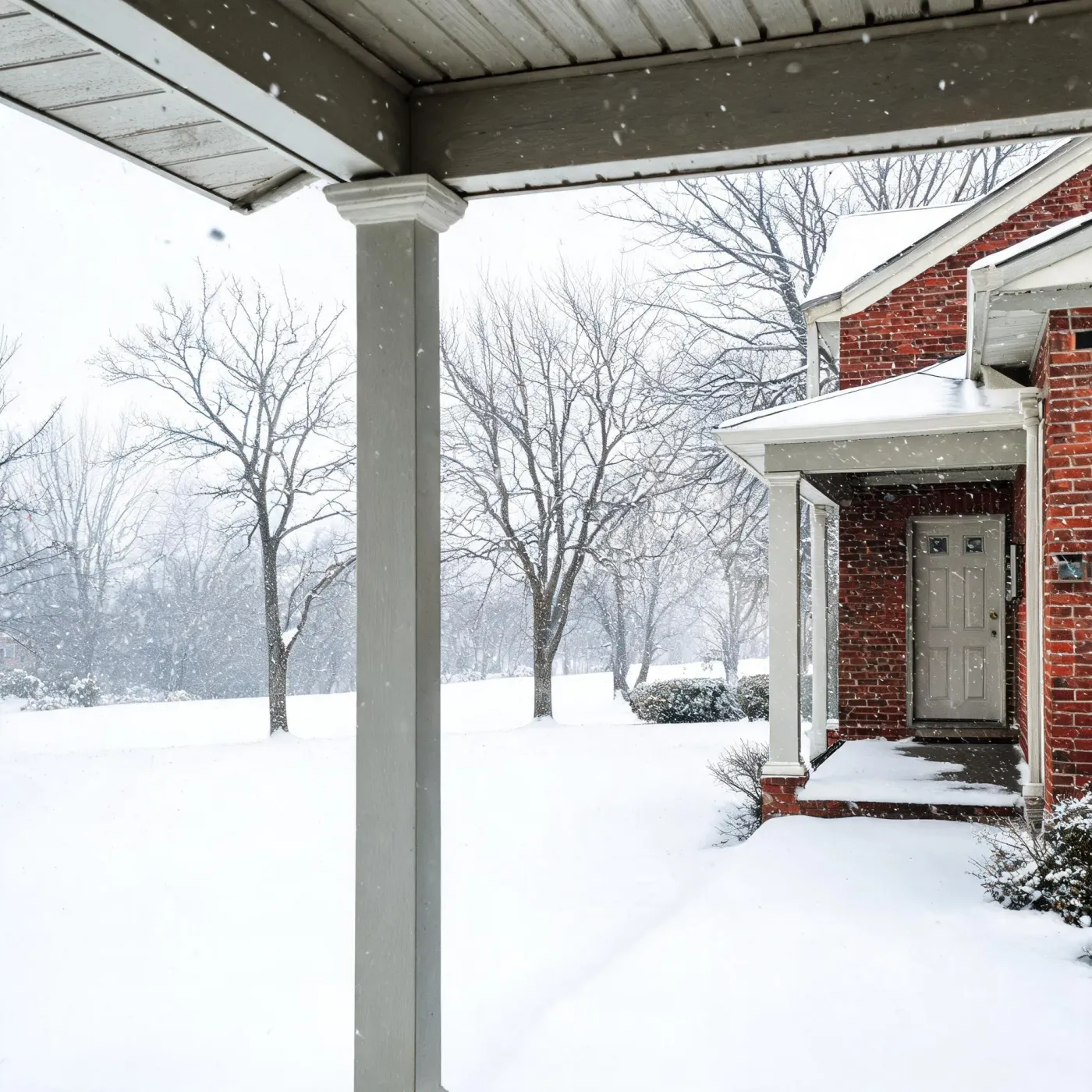
Statewide, winter nights average 28°F, according to NOAA. That's a long stretch of cold for a furnace to answer every night, not just the occasional snap. The blower runs longer to hold the house at temperature, and a part that's already worn, an igniter, a capacitor, a cracked heat exchanger, gets pushed harder right when you need it least. You'll notice it as a furnace that can't seem to catch up, vents that feel lukewarm instead of warm, or a gas bill that climbed even though the thermostat didn't change. That's the cold doing its work on a system that's already tired.
NOAA nClimDiv 1991-2020 county normals weighted by homes

Know which one you're dealing with, then act on it
A furnace repair or a furnace replacement in Delaware comes down to the age of the unit and the size of the repair bill in front of you. Under 15 years old, fix it. Past that, with a repair that costs a third or more of a new system, replace it. You now have what you need to make that call for your own furnace.
If you're leaning toward replacement, or you want a second opinion on a repair estimate before you commit, you can get matched with a licensed Delaware contractor who installs furnaces for a living and knows what tends to go wrong in homes here after a few hard winters. You'll hear from one contractor, not a handful calling at once, so you can ask your questions and decide without being chased.


Get your furnace to the right pro