

What a furnace tune-up covers before a Delaware winter
A local pro who services furnaces gets in touch about the tune-up.
Find my proA furnace tune-up before winter means a technician checks the parts that let a gas furnace run safely and start reliably once you need heat every day. That includes testing the igniter, inspecting the heat exchanger for cracks, checking gas pressure, and cleaning the flame sensor so it doesn't shut the burners off on its own. The blower motor and belts, if it has any, get checked too, along with the thermostat connection. Most of this matters because a furnace that sat unused since spring can have a buildup of dust on the flame sensor or a weak igniter that only shows itself the first cold morning you need it. Delaware winters mean the furnace runs for months straight, and gas furnaces depend on a clean, correctly tuned burner to heat efficiently and shut off properly when it should. Skipping this check doesn't always cause a breakdown, but it raises the odds one happens on a night you'd rather not be calling around for help.
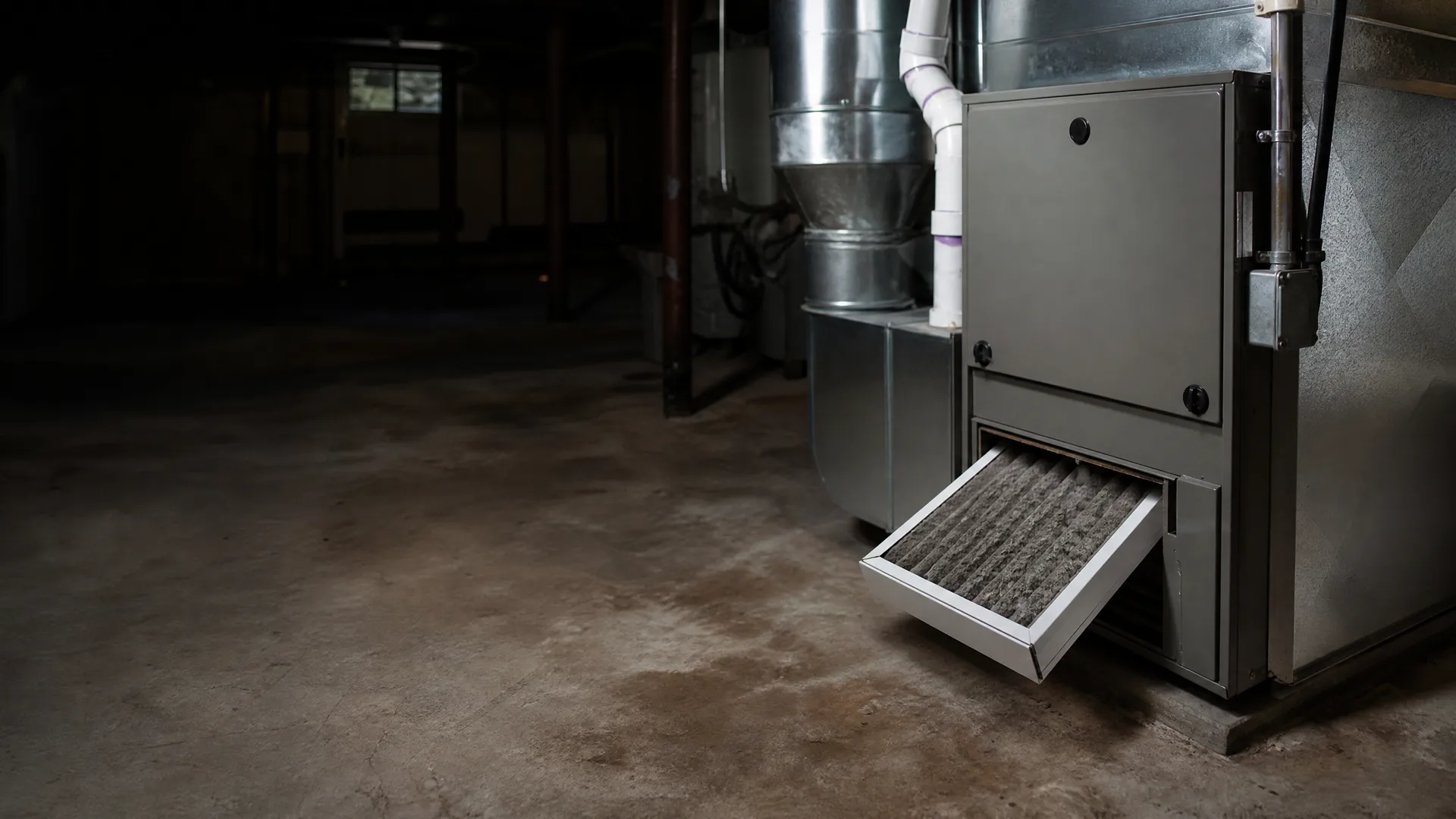
You pull the filter out and hold it up to the light from the stairwell. Grey, matted, the frame barely showing through. October already, and the furnace hasn't run since March. You'd planned to swap the filter back in August and forgot, the way you do most years, until the first cool night sends you down here to check before you need it for real. The burners are quiet. The basement smells faintly of dust warming on metal, that first-fire smell you only get once a year. You set the old filter against the wall to deal with later and leave the furnace open, half-apart, while you decide whether to finish this yourself or call someone who does this every fall.
What exactly does the technician check during a furnace tune-up?
You want to know if a tune-up is more than someone glancing at the furnace and calling it good. Before you pay for the visit, it helps to know what's actually being checked, in what order, and why each step matters once that furnace is running every day through a Delaware winter.
A tune-up moves through combustion, airflow, and the controls that start the furnace and shut it down safely
A technician starts with the burners, checking that the flame is even and burning the right color, then tests gas pressure to make sure the furnace is getting what it needs to run efficiently. The igniter gets tested since that's the part most likely to fail and leave you without heat on a cold morning. The heat exchanger gets inspected for cracks, because a cracked one can let exhaust leak into the air your furnace is supposed to be heating. From there it's the blower motor, the flue connections, and the thermostat response, confirming the furnace cycles on and off the way it should. Each check catches a different way a furnace fails once it's running daily instead of sitting idle.
Winter nights average 28°F statewide, according to the National Weather Service. That's cold enough that your furnace will run through most nights from December into February, not just kick on for an hour and shut off. At that temperature, a dirty flame sensor or a weak igniter that's been limping along since last winter won't make it through another season of nightly cycling. A tune-up now, before that first hard freeze, means a technician who works on furnaces like yours all winter long catches the part that's about to fail while there's still time to fix it. You'll get matched with one contractor local to your area, not a handful calling you back at once, and they'll reach out to schedule a time that works.
NOAA nClimDiv 1991-2020 county normals weighted by homes
Get the right pro for your furnace
A furnace that hasn't run since March doesn't tell you what's wrong with it until it's already cold out and you need it every day. A cracked heat exchanger, a weak flame sensor, a clogged pressure switch line, none of these show up when the furnace is sitting idle. They show up at 2 a.m. in January, which is a bad time to find a contractor you've never worked with and have no idea if they know gas furnaces or just dabble in them. Getting matched now means one licensed contractor local to you, someone who works on furnaces like yours all winter and has a good idea what tends to fail on them, reaches out directly. Not a handful of companies competing for your callback, just the one who actually covers where you live. Delaware winters run cold enough, and power here costs enough, that you want the furnace checked before it's carrying the whole house through December, not after.
Before the Cold Sets In
- A tune-up checks the igniter, heat exchanger, gas pressure, and flame sensor before Delaware's cold nights arrive.
- Winter lows averaging 28°F statewide mean your furnace runs most nights from December into February, not just an hour here and there.
- Problems like a cracked heat exchanger or a weak flame sensor stay hidden while the furnace sits idle all summer.
- A furnace that last ran in March won't show what's wrong with it until you're already depending on it daily.
- Checking these parts now, before the first cold snap, means fewer surprises once the furnace is running every night.
- Gas furnaces are common across Delaware, and the parts that make them start reliably are the same ones a tune-up covers.
A furnace tune-up before winter comes down to a handful of checks that matter once the temperature drops and stays down. The igniter has to light the burners every time, not most times. The heat exchanger has to be free of cracks, since that's the part separating combustion gas from the air moving through your house. Gas pressure has to be set right for the burners to run clean. The flame sensor has to recognize a flame is there and keep the gas valve open. None of this shows itself while the furnace sits idle from March through October. A cracked heat exchanger doesn't announce itself in August. A weak flame sensor doesn't trip anything when the furnace never gets asked to run. The only time these parts get tested is when something turns the furnace on, and for most of the year in Delaware, nothing does.
Once winter lows settle in around 28°F statewide, your furnace isn't cycling on for a few minutes and shutting off. It's running most of the night, every night, from December into February. That's a lot of hours for a weak part to fail, and it tends to happen on the coldest nights, not the mild ones. A tune-up done before that stretch starts catches what idle months hid. It won't guarantee nothing breaks. It does mean the furnace has been looked at by someone who knows what to check and in what order, before you're relying on it to get through a January night.




Furnace Maintenance
A pro who works on furnaces
The pro who reaches out is licensed in Delaware.
