





When a furnace flame sensor needs cleaning in Delaware

Fill out one form instead of calling around for a furnace tune-up.

Fill out one form

How often should I clean my furnace's flame sensor in Delaware?

You've noticed your furnace short cycling or shutting off a few minutes after it starts, and someone mentioned the flame sensor. With gas heat running for months straight once the weather turns, and electric rates here what they are, you'd rather catch this once a year than deal with a furnace that won't stay lit in the middle of January.

Once a year, before the heat season starts

A flame sensor builds up a thin layer of oxidation every time it does its job, and that layer is enough to make it stop reading the flame correctly. Most Delaware homes run the furnace from October through April, so the sensor gets months of steady use without a break. Cleaning it once a year, ideally before that first cold snap, clears the buildup before it causes a shutdown. A furnace that cycles off a few minutes after starting is usually telling you the sensor needs attention now, not at the next scheduled visit. Catching it on a yearly basis costs you nothing in comfort and keeps the furnace from quitting on a night you need it most.

A woman in a cream sweater with her hair in a bun laughs while seated at a stone counter holding a glass of red wine, in a dimly lit interior with a sofa, houseplants and a large window at night.
A woman with long dark hair in a cream knit sweater laughs while looking off to the side, seated in front of a dimly lit kitchen with an island, stools, open shelving and a potted plant, with a glass of red wine in the foreground.
A smiling woman with long dark wavy hair in a light knit sweater sits at a marble counter with a glass of red wine, with a dimly lit living room and kitchen in the background.
A smiling woman with long wavy brown hair in a beige sweater sits at a white marble counter with a glass of red wine, with a living room, dining table and kitchen cabinets behind her.

Why does your furnace shut off a few minutes after starting

You hear the burners light, feel warm air start, and then it shuts off on its own. A minute later it tries again and does the same thing. That's a flame sensor telling the control board it doesn't see a flame, even though it does, because soot has built up on the rod. Some homes notice the furnace running in short bursts all day instead of heating steadily. Others get a few good hours before it starts cycling. Left alone, it usually gets worse, not better, and the burner will eventually lock out and stop firing. On a cold night in Delaware, that means no heat until someone cleans the sensor or replaces it.

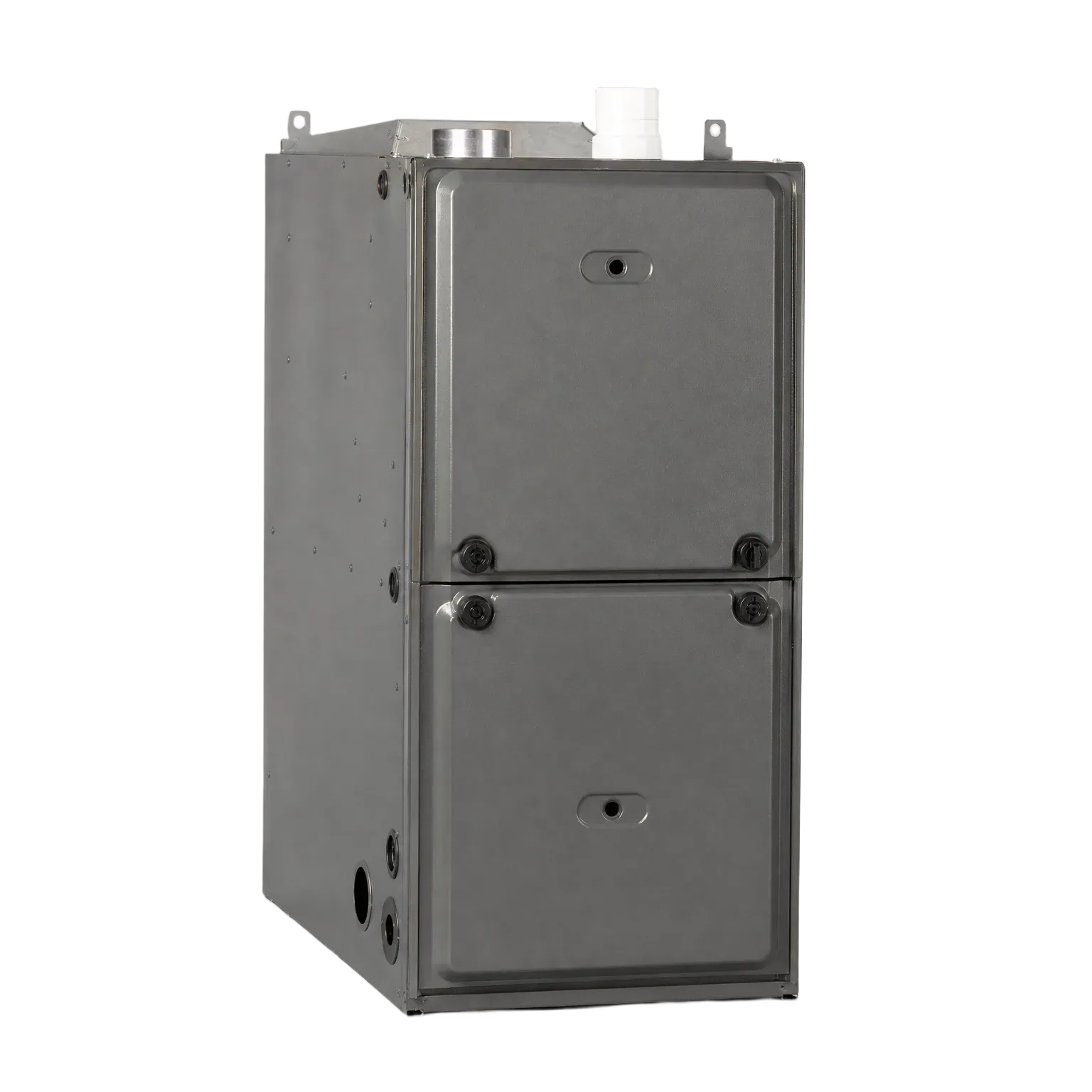
A gray high-efficiency furnace with white PVC vent pipes stands beside galvanized sheet-metal ductwork in a basement with a concrete floor, with a wooden staircase and railing at left.

Clean sensor, steady heat

A clean flame sensor reads the burner flame right away and the control board keeps the gas valve open. Your furnace fires once and runs straight through its cycle, pushing warm air through the ducts until the thermostat is satisfied. No restarts, no cold spells while it figures out what's wrong.


An older gas furnace with louvered panels sits on a concrete pad in a basement, connected to sheet-metal ductwork and PVC and metal pipes, with a water heater and wooden stair framing in the background.

Coated sensor, short cycling

A coated flame sensor can't read the flame reliably, so the board shuts the gas valve down minutes after startup, waits, and tries again. Each attempt either works for a few minutes or fails the same way. Your basement sees the furnace cycling on and off while the house slowly loses ground on a cold night.

Clean it yourself or call someone

Clean it yourself

  • You need the furnace off and the gas valve shut before you pull the sensor, and the panel off to reach it.
  • The sensor sits in the burner compartment on a small bracket, usually one screw holding it in place.
  • A light touch with steel wool or a fine abrasive pad on the rod clears the buildup that blocks it from reading the flame.
  • Putting it back wrong, loose, at the wrong angle, or touching the porcelain insulator with bare oily hands, can mean the short cycling continues.
  • If the sensor itself is cracked or worn through, cleaning won't fix it and it needs replacing instead.
  • You're working inside a gas appliance, so if anything about the burner compartment looks off, that's a reason to stop.

Have a contractor clean it

  • A technician who works on furnaces all winter in Delaware has pulled this same part out of hundreds of them and knows what normal wear looks like versus a sensor that's failing.
  • They check the flame sensor as part of going through the burner assembly, so anything else contributing to the short cycling gets caught in the same visit.
  • One licensed, local contractor handles it, so you're not fielding calls from several companies or explaining the short cycling story more than once.
  • You skip the searching and comparing quotes and just get someone who shows up knowing what furnace you have and what's likely wrong with it.
  • If the sensor is cracked or too worn to clean, they'll have a replacement on hand instead of leaving you to make a second trip to a parts store.
  • With gas heat running for months straight here, getting it checked once by someone who does this regularly means you're not guessing at the fix yourself.
A gray high-efficiency furnace with two access panels stands in a bare basement corner, connected to sheet-metal ductwork, white PVC vent pipes, and flexible gas and electrical lines.

How the sensor actually fails

The flame sensor is a thin metal rod sitting right in the burner flame. Every time the furnace runs, that flame coats it with a fine layer of oxidation, the same way a flame blackens a pan. The sensor reads flame through that coating by resistance, and once the coating gets thick enough, the reading drops too low. The control board waits a few seconds, doesn't see what it needs, and cuts the gas valve. It isn't worn out. It just can't read through the buildup anymore.

A gas furnace with metal ductwork, copper and yellow gas piping stands against a wall in an empty room with a bare concrete floor.

Why Delaware winters make this worse

Gas furnaces here run for months straight once the weather turns, often from October through March without much of a break. Every one of those cycles adds another thin layer to the sensor. A furnace that runs occasionally might go a long time before the coating catches up with it. One running daily through a Delaware winter builds that layer fast, which is why a sensor that read fine in October can start causing short cycles by January.

Winter nights average 28°F statewide

Winter nights here average 28°F, so your furnace is firing most nights for months straight. That steady run time builds oxidation on the flame sensor faster than it would with occasional use, which is why a dirty sensor shows up as short cycling right in the coldest stretch.

NOAA nClimDiv 1991-2020 county normals weighted by homes

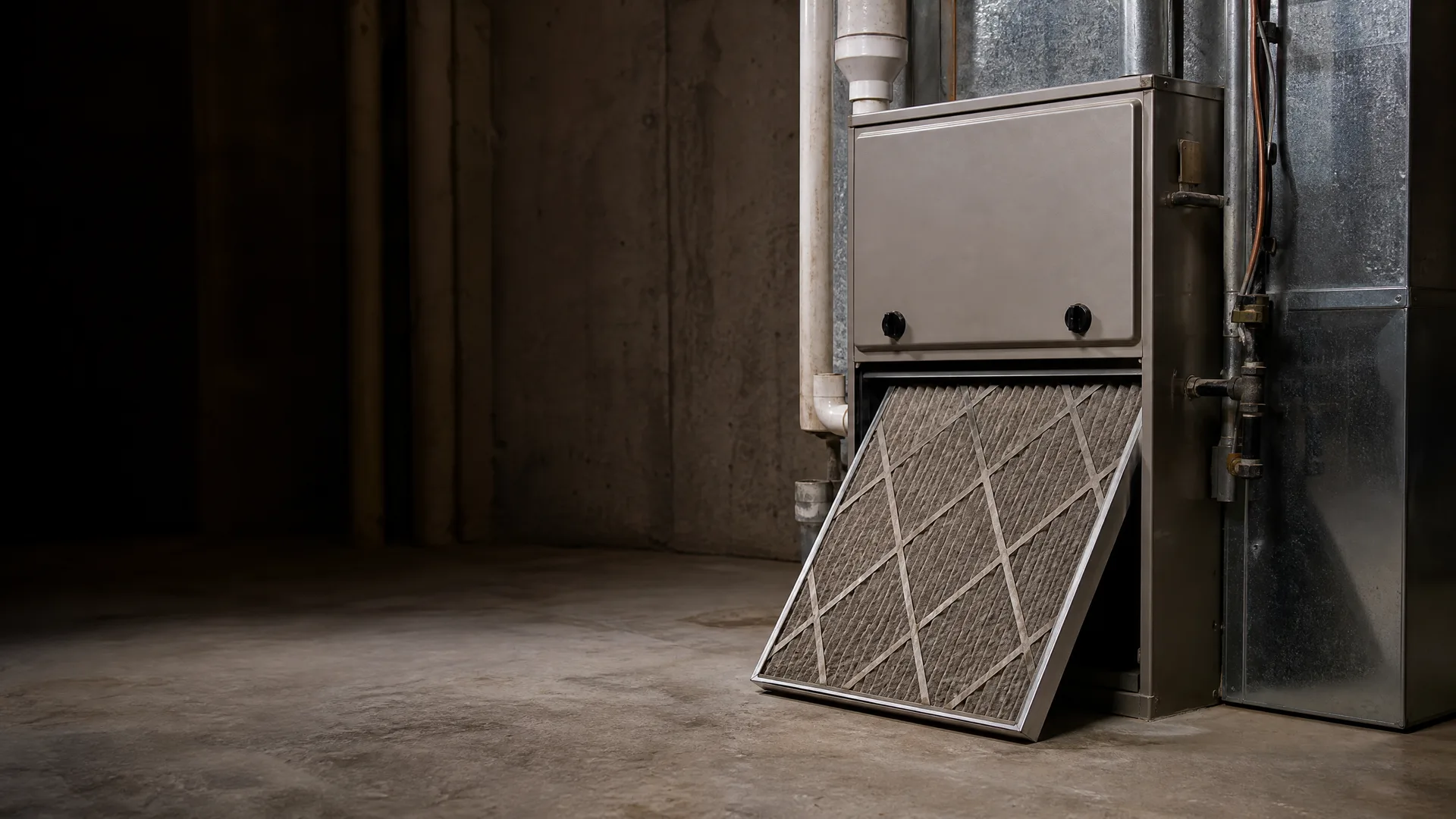
A dirty pleated air filter leans against a furnace with metal ductwork in a dim concrete basement.

The basement is cool and a little damp, the way it gets once October settles in. You've pulled the furnace filter halfway out to check it, and it's grey, thick with dust, the kind you can see from across the room. Upstairs the thermostat clicks over and you hear the burners try to catch, then quit again. You've already found a Delaware contractor who handles this furnace brand every fall, so you're not calling around tonight. One visit, one tech who knows what a short cycle like this usually means before he's even opened the panel. You set the filter against the wall and wait for the knock.

No phone calls to make

A licensed local pro takes the request for your furnace tune-up.

Asking costs nothing, and the choice to hire stays yours.

A gray furnace with sheet-metal ductwork, PVC vent pipes and a yellow gas line stands on a concrete basement floor beside wooden stair framing.

Furnace running clean

Gas furnaces like this one fire, heat the air, and shut off on schedule when the sensor reads the flame right away. The flue pipe vents normally and the burners stay lit through the full cycle, night after night, all winter.

An older gas furnace with a louvered front panel stands on a concrete basement floor beside galvanized sheet-metal ductwork, a metal flue pipe, gas piping and a flexible conduit along a concrete wall.

Furnace in trouble

A furnace like this one starts, catches, and drops out again within a minute or two. The control board isn't getting a steady flame signal, and it won't keep the gas valve open on a reading it can't trust.

A closed dark laptop and a ceramic mug of coffee on a wooden dining table, with wooden chairs, a dark kitchen cabinet with cutting boards and a potted plant, and a leafy plant by a window in the background.

What happens inside the burner compartment when the sensor's dirty

The flame sensor doesn't just check for fire. It passes a tiny electrical current through the flame itself, back to the control board, and that current is what tells the board the burner caught. A thin layer of oxidation on the rod cuts that current down. The board sees a weak signal, decides it isn't getting proof of flame, and cuts gas to the valve as a safety measure. That's the shutoff you're hearing, not a malfunction so much as the system doing exactly what it's built to do with bad information.

A contractor who services furnaces all winter in Delaware has pulled this same rod a hundred times and knows what a light coat of oxidation looks like versus a sensor that's cracked or pitted and needs replacing, not cleaning. That's the part a homeowner can't always tell from the driveway. Rather than calling around to a few companies and walking someone through the short cycling story more than once, you get matched with one licensed local contractor who already knows what a few months of steady gas heat does to this part.

Interior corner of a living room with a beige upholstered sofa and dark cushion in the foreground, a ceramic vase of leafy branches on a dark side table by a curtained window, a framed picture on the wall, and a wood-surround fireplace at right.
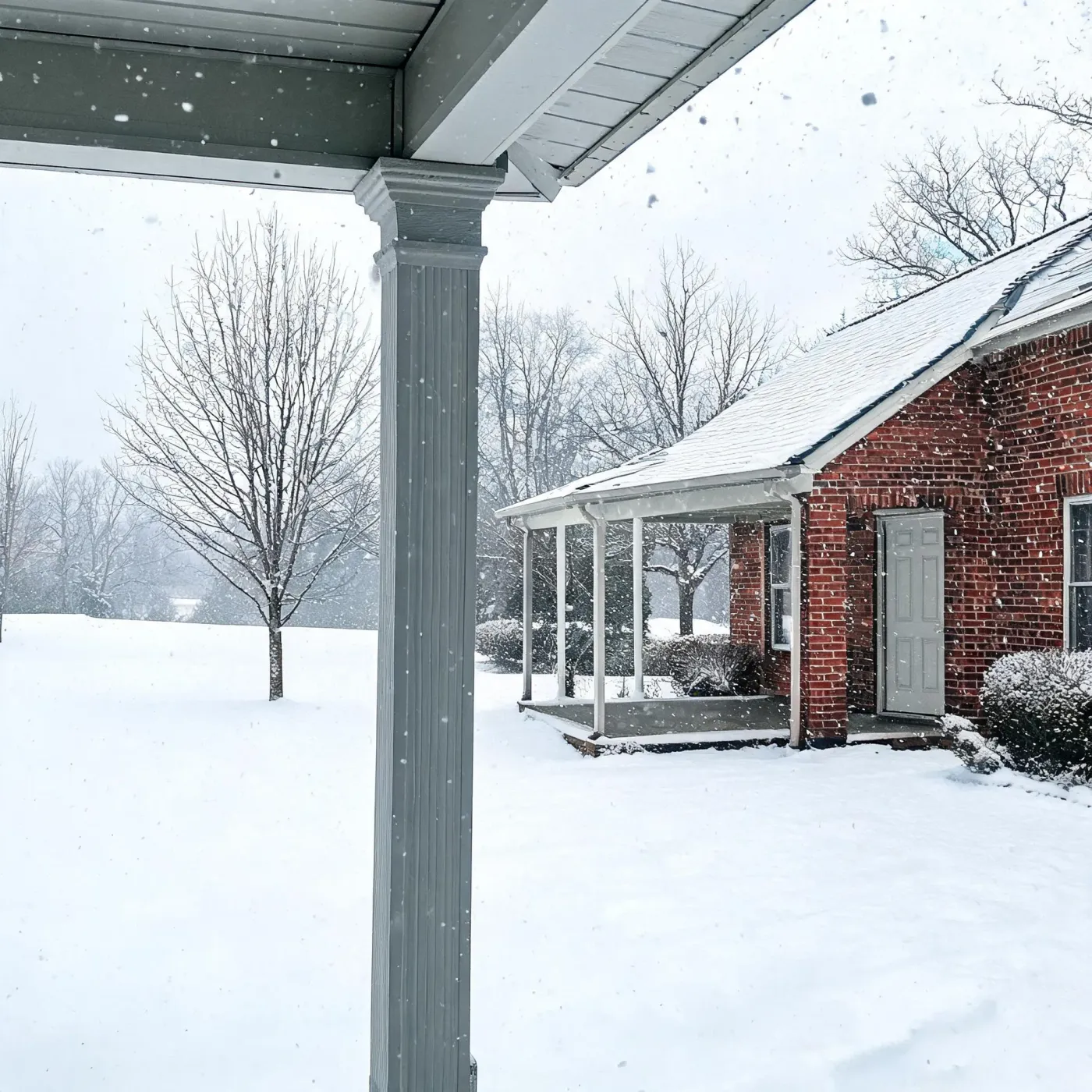
View from under a covered porch with a gray square column toward a red brick house with a white-columned porch and gray door, with falling snow covering the yard, roof, and bare trees.

Statewide, winter nights average 28°F, according to NOAA climate data. That's cold enough that your thermostat is calling for heat through the night, not just in the early morning and evening like it would somewhere milder. Each call means the burners light and the flame sensor sits in that flame again. A furnace running this many hours a night, month after month, puts more oxidation on the sensor than one that only kicks on now and then. If yours has started shutting off a few minutes in and relighting, the cold nights are part of why it's happening now instead of in March.

NOAA nClimDiv 1991-2020 county normals weighted by homes

A dirty flame sensor causes short cycling, and cleaning it fixes that in most furnaces. If scrubbing the rod with steel wool and reseating it doesn't stop the shutoffs, the sensor itself may be worn out, or something past it, like the igniter or the control board, is the real problem. Either way, a furnace that keeps cutting off a few minutes after starting shouldn't run that way through a Delaware winter, with gas burners firing most nights once temperatures drop. A local contractor who works on furnaces all season sees this exact short cycling pattern often and knows within a few minutes whether it's the sensor or something behind it. You'll hear from one contractor, not a handful calling at once, and that one will already know what to check first based on what you've described. You've looked at what the sensor does and what fails when it's dirty. Now you know where your furnace stands, and what it takes to get it running a full cycle again, night after night, without you standing by the thermostat waiting for it to cut out.

A single-story stucco house at dusk with a lit paver walkway lined by low path lights, desert plants and boulders in front, and distant mountains under an orange and blue sky.

Furnace Maintenance

One form, no calling around

Step 1 of 3: Equipment
  • A dimly lit living room corner with a beige upholstered sofa holding a dark green cushion and a chunky knit throw, beside a wooden sideboard with a lit ceramic table lamp, a small potted plant, and a wooden bowl, with a framed artwork on the wall and a mug on a book in the foreground.
    • A local pro who services furnaces gets in touch about the tune-up.
    • Describe your furnace job, and a local pro who handles it gets in touch.
  • A round wooden coffee table holding a round stone vase of green foliage, a lit candle in a glass container, and a small dark bowl, with a beige sofa, cushions and knit throw behind and a window at left.
    • Send the form, and lining up the furnace tune-up stops being yours to chase.
    • Send the form and the furnace tune-up stops being something to remember.
  • Sunlit living room with a wooden coffee table holding a ceramic vase of leafy branches and a carved wooden tray with two stacked books, in front of a beige sofa with tan and green cushions and a potted plant near a window.
    • Answer a few questions instead of calling shop after shop.
    • Describe your furnace job once, to one pro.
  • Interior corner with a lit ceramic table lamp and wooden bowl on a wood sideboard, a framed picture and branch-filled vase behind, a knit throw over an upholstered chair, and a lit candle in a glass holder, stoneware mug and round planter of green foliage on a wooden table in the foreground.
    • Your request stays with one local pro.
    • Your request goes to one pro, not a list of companies.