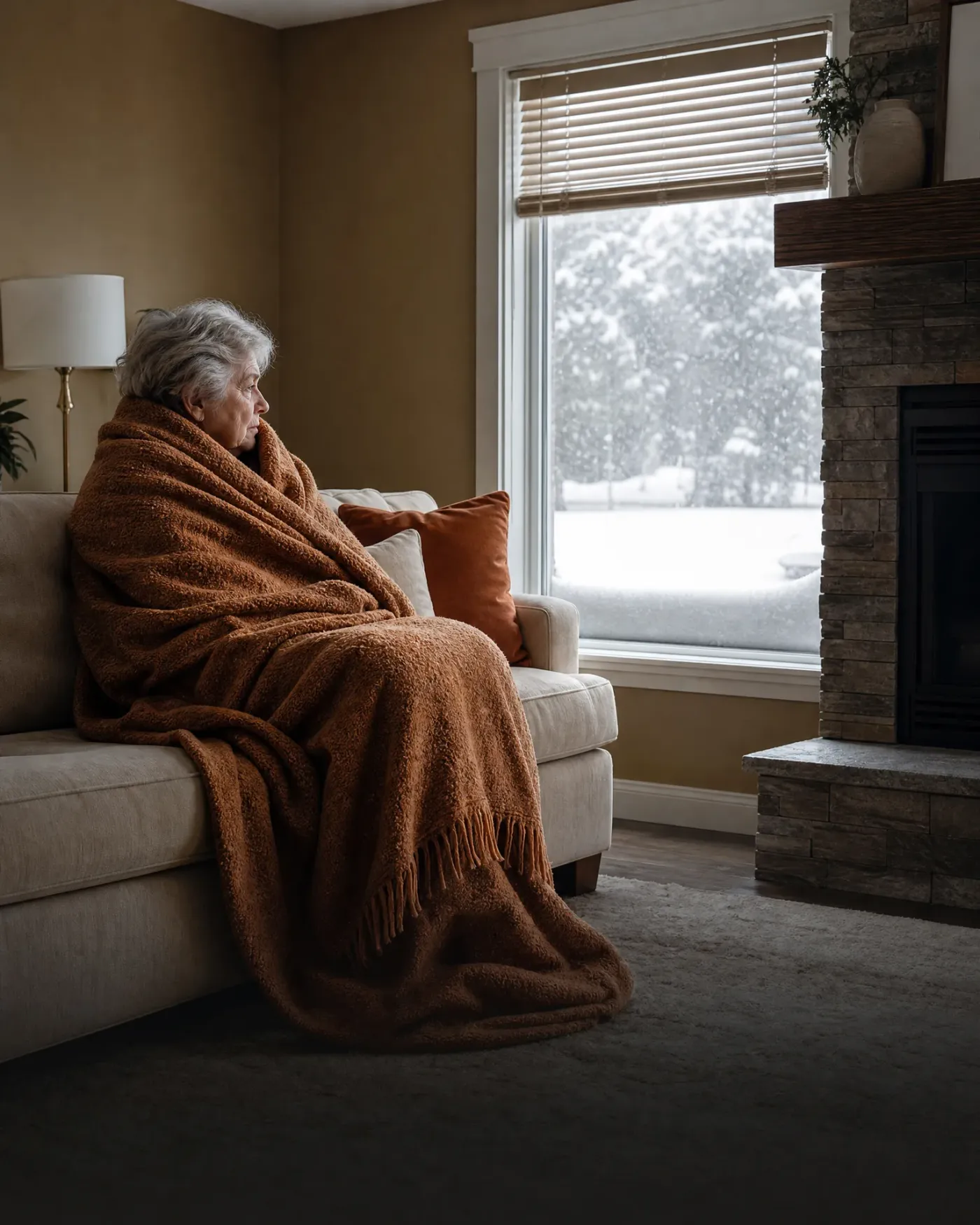

Why one room stays cold in a Delaware winter

Step 1 of 3: Equipment

That one cold room usually comes down to a duct problem or a heat problem, not a furnace problem. A bedroom far from the furnace, or over an unheated garage, loses heat through its walls and floor faster than the duct feeding it can replace. If the duct run is long, narrow, or kinked somewhere in the attic or crawlspace, that room gets less warm air than the rooms closer to the furnace, even though the furnace itself is working fine. A closed or blocked vent in that room does the same thing. A dirty filter or a duct leak upstream can also rob air from one branch of the system before it ever reaches the room. In a Delaware winter, where the furnace is running for months straight, that gap between rooms shows up every day, not just on the coldest nights. The fix is usually in the ducts or the room, not a full furnace repair.

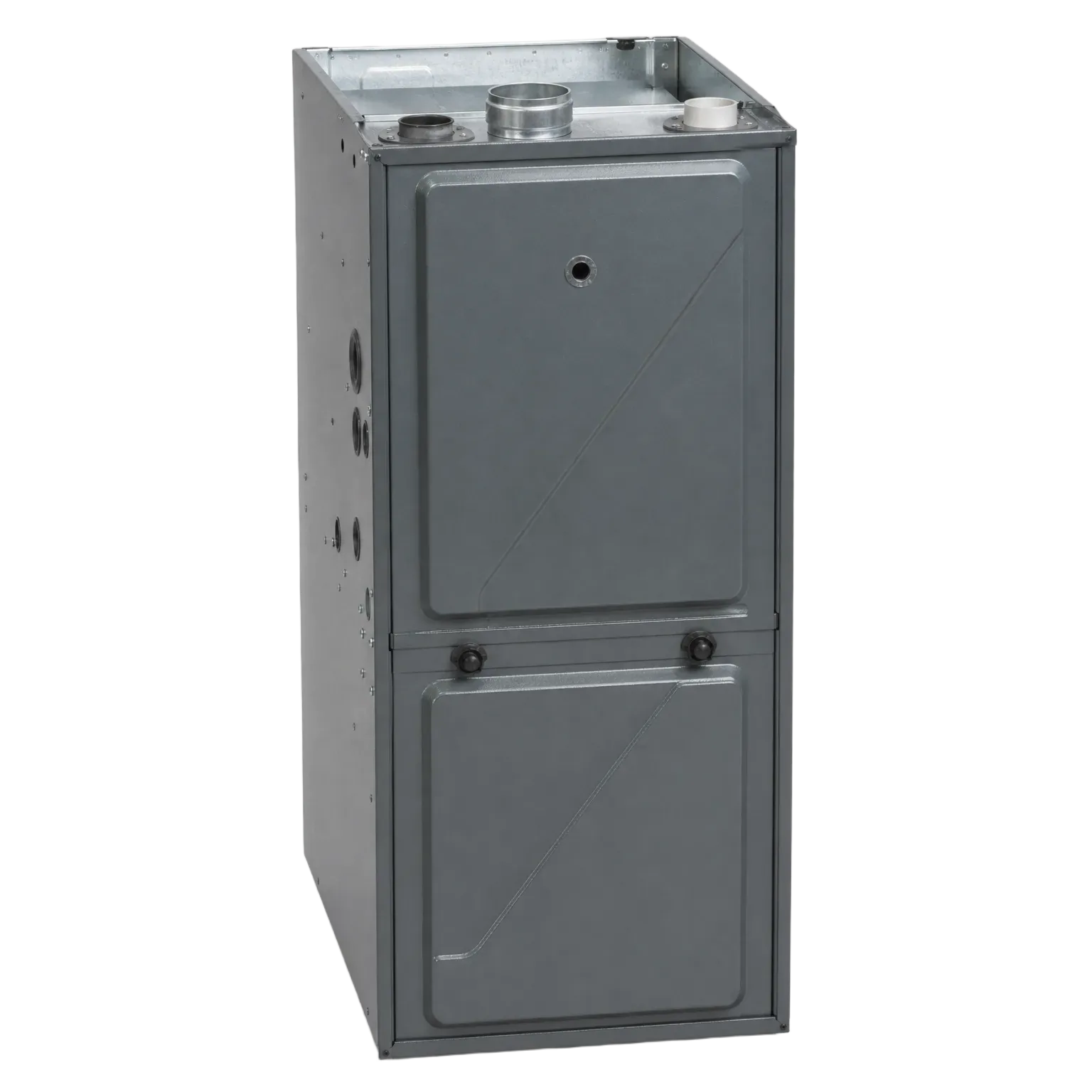
A gray high-efficiency furnace with white PVC vent pipes stands beside sheet-metal ductwork and a water heater in an unfinished basement with concrete walls and wood framing.

The rest of the house is fine

If every other room holds its temperature, the furnace is doing its job. Warm air is reaching the ductwork and moving through the system the way it should. The problem is local to that one room, not the equipment feeding it.

A beige gas furnace with a metal flue pipe stands in a basement against concrete block walls, beside sheet-metal ductwork, copper and white plastic pipes, and a water heater at right.

More than one room runs cold

When two or three rooms lag behind, or the whole house takes longer to warm up than it used to, look at the furnace itself. An aging unit can still run, but it may not push enough heated air through the ducts to reach the far end of the house.

Is this just that one room, or is it getting worse

You know the room. The door stays shut more than it used to, or someone's sleeping in a sweater. Maybe the vent barely puts out air compared to the one down the hall, or you can hear the furnace running and still feel a draft near the window in that room specifically. Check the vent itself: if it's closed, partly closed, or sitting behind a dresser that's been there since last winter, that alone could be most of the problem. If the vent's wide open and the air coming out is weak or barely warm, that points to the duct feeding it rather than anything you can fix by moving furniture. Left alone through a Delaware winter, that room just stays the one everyone avoids.

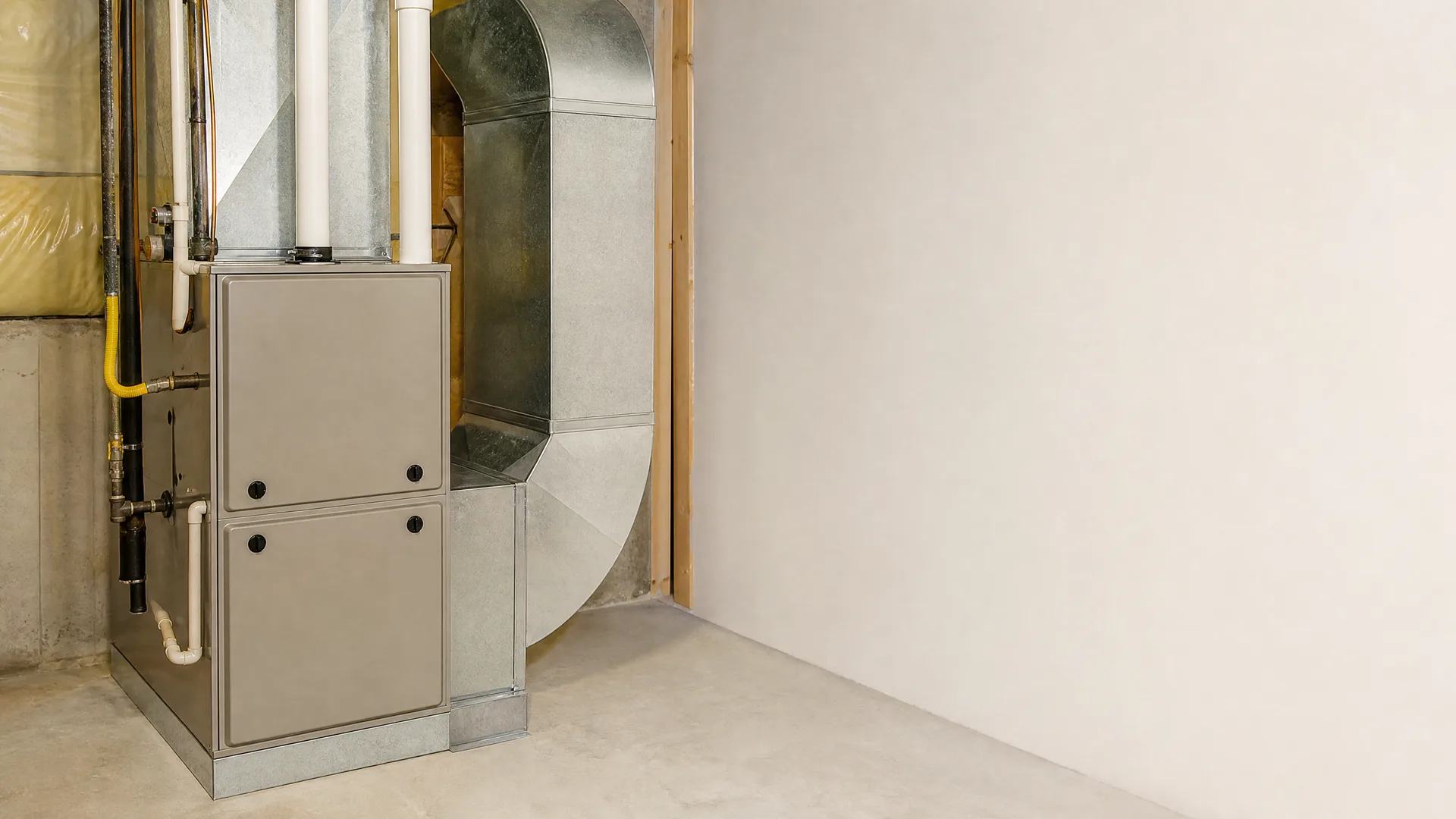
A gas furnace with sheet-metal ductwork, PVC vent pipes and copper and black piping stands against a wall in a basement with a bare light-colored wall and concrete floor.

Long duct runs lose heat fast

A duct run that stretches to a far bedroom, or one that crosses an unheated garage or crawlspace, gives up heat to the cold air around it the whole way there. By the time that air reaches the vent, it's cooler than what's coming out of the register in the room next to the furnace. Sealing and insulating that run keeps the heat in the duct instead of leaking it into the space around it.

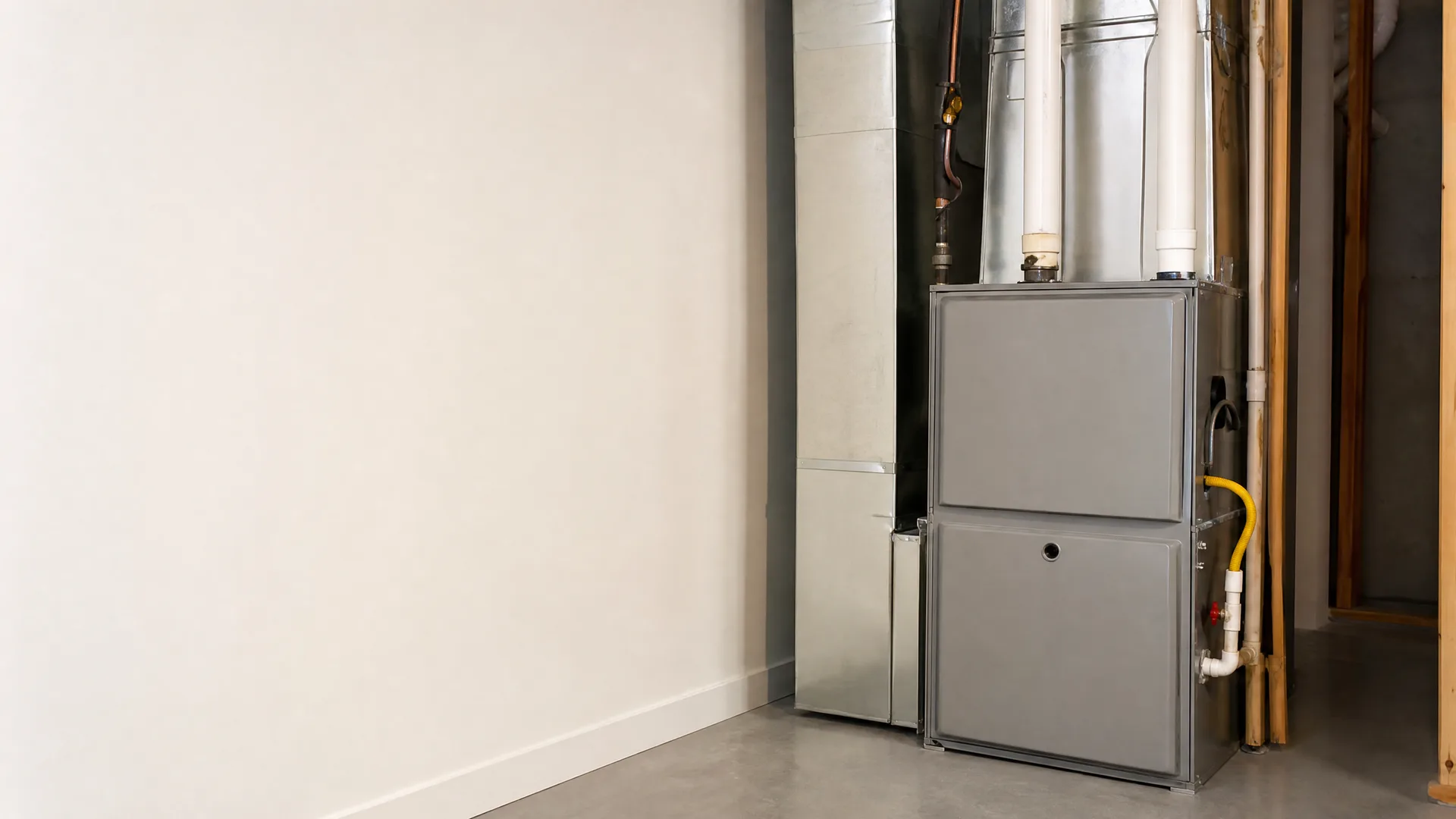
A gray furnace with attached sheet-metal ductwork, white PVC vent pipes, copper and yellow gas lines stands against a wall in a room with a plain white wall and concrete floor.

A closed damper changes everything

Many duct systems have dampers, small metal plates inside the ductwork that control how much air goes to each room. If one got bumped or closed off at some point, maybe during other work in the house, that room could be running on a fraction of the airflow it's supposed to get. It's a simple adjustment, but it's inside the ductwork, so it's not something you can check by looking at the vent cover.

A closed silver laptop and a glazed ceramic mug on a wooden table, with a blurred kitchen counter, potted plant, cutting board and window in the background.

What's really happening at that vent

A duct system splits one furnace output across every room in the house, through a trunk line and then the branches running off it. Each branch is sized for the distance and the room it feeds. If a damper in that branch is closed partway, or the branch was undersized when the house was ducted, that one room gets starved while the rest of the house draws plenty. A tech checks this with a flow hood or just a hand at each vent, comparing what's actually moving against what the room needs.

Sometimes the fix is at the register, a damper that needs opening or a boot that's come loose from the duct behind the wall. Sometimes it's further back, insulation needed on a run through the garage, or a branch that needs resizing. You don't need to know which one it is before you call. A licensed contractor traces it room by room, and once that's underway you're done chasing it yourself, no calling around Delaware for someone who answers, no describing the cold room to three different companies to see who sounds right.

Interior corner of a dining room with a round wooden table, a ceramic vase holding olive branches, a dark spindle-back chair near a curtained window, and a sideboard with a lamp against beige walls.
A beige high-efficiency furnace in an unfinished basement, with white PVC vent pipes, a yellow gas line, metal ductwork, and exposed wood framing on a concrete floor.

Furnace running as it should

This is what a gas furnace looks like when it's not the problem. The ductwork is intact, the vent pipes are clear, and the gas line feeding it is sound. If your furnace looks like this, that cold room is a duct or insulation issue somewhere past it, not something wrong here.

An older beige furnace with two louvered vent panels stands on a concrete basement floor, connected to galvanized ductwork and a metal flue pipe, with gas piping and flexible conduit on the wall behind.

Furnace showing its age

An older furnace like this can still heat the rest of the house fine while struggling to push air the full distance to one far room. Worn seals, a weaker blower, or gas lines like these are worth a look if the cold room has gotten colder over time, not just always been that way.

Could the ductwork itself be blocked or disconnected somewhere?

You've checked the vent in that room and the air coming out is weak, or barely warm, even though the furnace sounds fine. Before you start blaming insulation or the room's location, it's worth asking whether something further back in the system is actually stopping air from getting there at all.

A crushed duct, a disconnected joint, or a closed damper can cut off a room on its own

Flex duct can get crushed or kinked where it runs through a crawlspace or attic, especially if someone's been up there and stepped on it. A joint can pull apart where two sections meet, especially near the furnace or at a sharp turn, and once that happens, warm air leaks into the crawlspace instead of reaching the vent. Some branch lines also have a damper, a small lever or plate inside the duct, and if it's closed or only partway open, that room gets a fraction of the air it should. None of this shows up by looking at the vent itself. It takes someone opening up the duct run to find it, which is a repair job, not a maintenance one.

A smiling man in a blue denim shirt over a white tee sits at a light stone kitchen counter with a grey mug and a bowl of oranges and bananas, with pendant lights and shelving behind him.
A smiling bearded man in a grey long-sleeved shirt sits at a kitchen counter with a dark mug, with a dining table, pendant light and glass doors onto greenery behind him.
A bearded man in a dark green knit sweater smiles and looks off to the side while standing at a kitchen counter with a white mug of coffee, with open shelving, a potted tree, and a dining table near large windows behind him.
A man with dark curly hair in a dark green sweater stands smiling and looking to the side in a kitchen with white cabinets, a potted plant, a stone countertop with a ceramic mug, and a dining area with framed art in the background.

Hand off the search today

Describe what your furnace is doing once, in one form.

There's no charge for the request.

A closed-off room, or a damper left shut

Some duct systems have a manual damper at the point where a branch line splits off the trunk, usually a small lever or wing nut on the duct itself. It can get bumped or turned months before anyone notices, and from then on that one room gets a fraction of the air it should. Check closets and basement ceilings near where the duct run starts for anything with a handle. If you find one and it's not lined up with the duct, that alone could be starving the room. It won't explain everything, but it costs nothing to check before calling anyone out.

What repair actually fixes versus what it can't

A contractor can seal a leaking duct joint, clear a crushed or disconnected run, open a stuck damper, or find a break in the line feeding that room. That's real work with a real result. What repair can't do is add insulation to a wall or warm up a garage underneath a bedroom floor. If the duct work checks out and the room is still cold, the fix is somewhere else in the house, not in the ductwork. Either way, you're better off knowing which one you're dealing with than guessing room by room through another Delaware winter.

Winter nights average 28°F statewide

On a 28°F night that duct run to the far bedroom is losing heat into the garage or crawlspace the whole way there, so that room falls behind while the rest of the house holds steady. Catching it now, before January's coldest stretch, keeps it from turning into a frozen pipe or a bigger repair.

NOAA nClimDiv 1991-2020 county normals weighted by homes

Fixing it yourself means opening up ductwork, checking dampers, maybe adding insulation in a crawlspace in the cold. Most people don't have the tools or the time for that in the middle of a Delaware winter.

A licensed contractor can trace the duct run, find the damper or the gap, and fix it in one visit. Send the form and you're done hunting for who can do it.

An older gas furnace with two louvered front panels stands on a concrete basement floor beside galvanized sheet-metal ductwork, pipes, and a weathered concrete wall.
Before you get your furnace repair
A gray high-efficiency furnace in a basement, connected to sheet-metal ductwork on the left and white PVC vent pipes above, with black gas and drain piping and an exposed wood-stud wall with OSB sheathing on the right.
After you get your furnace repair
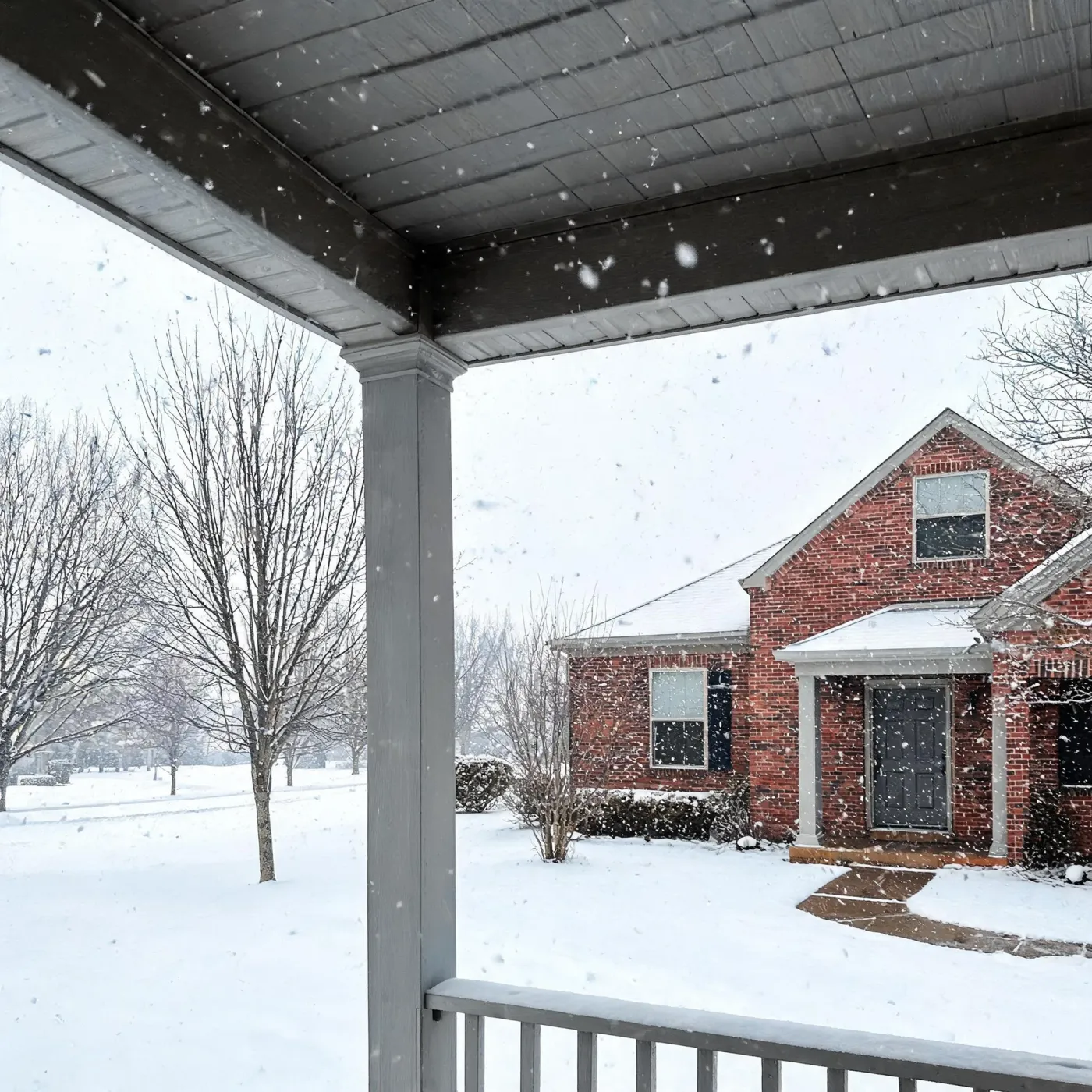
View from a covered porch with a white post and railing toward a red brick house across a snow-covered yard, with falling snow and bare trees.

Statewide, winter nights average 28°F, according to NOAA climate data. That's the kind of cold a duct run has to push warm air through on its way to a far bedroom, and every degree outside pulls heat out of that ductwork before it reaches the vent. In most of the house you won't notice. In the one room at the end of a long run, or over an unheated garage, the air coming out is already cooler than what left the furnace. On a night like that you'll feel it fastest there: a vent that used to blow warm now blows lukewarm, and the door stays shut because the room never quite catches up.

NOAA nClimDiv 1991-2020 county normals weighted by homes

A man in a blue T-shirt sits on a light gray sofa, laughing while looking at an open laptop in the foreground, with a framed picture, lamp and potted plant behind him.
A bearded man in a blue and brown plaid flannel shirt stands indoors looking out a window at snow-covered trees, with a ceramic mug on the windowsill.

Where things stand with that room

  • A cold room in winter almost always traces back to a duct problem, a damper, or heat loss through the room itself, not the furnace.
  • If the rest of the house holds its temperature, the furnace is working and the fix is local to that one room.
  • A licensed contractor can trace the duct run, check the damper, and test the room's heat loss in one visit instead of several guesses.
  • Finding that contractor, explaining the problem, and comparing quotes is the part you can skip once the form is in.
  • Delaware winter nights average 28°F, and that cold keeps pulling heat out of the system until the actual cause gets fixed.
  • Waiting through the coldest stretch of the year only gives a duct problem more time to show up as a bigger heating bill.

One room running cold while the rest of the house is fine points to something specific: a duct run losing heat on its way there, a damper that got bumped shut, or a room that loses heat faster than its vent can replace. The furnace itself is almost never the cause. That's good news, because it means the fix doesn't touch the equipment heating the rest of your house. It means finding the actual spot where the heat is being lost, whether that's a duct crossing a cold crawlspace or a damper closed since last fall, and dealing with that spot directly.

Finding who can do that is usually the slow part. Searching for a contractor who handles ductwork, not just furnace repair. Calling two or three, describing the cold room and the warm rest of the house each time. Waiting to hear back, then doing it again with the next name on the list. Sitting with quotes that are hard to compare because each contractor checked something different before pricing it. None of that gets the duct traced or the damper checked. It just delays the point where someone actually looks.

Send the form and that part is done. A licensed contractor takes it from there, the tracing, the checking, the fix, while Delaware's winter nights keep sitting around 28°F outside the walls of that one room. The cold isn't going anywhere on its own. But once someone's looking at the actual duct run instead of you guessing at it from the hallway, the room stops being a mystery.

A dark standing-seam metal roof with a stone chimney and metal cap, seen against a backdrop of autumn-colored forest and layered hills under an overcast sky.

Hand off the furnace problem

Answer a few questions

You only hire the pro if you want to.

You've already checked the vent and felt around the room. Sending this saves you the rest: calling around for someone licensed in Delaware, explaining the cold room over and over, waiting on quotes. One form, and finding help stops being your job.