Furnace running the way it should
Air coming out of the vents here is warm within a minute or so of the burners lighting. The PVC pipes vent exhaust and bring in combustion air, and the blower only runs once there's heat behind it.

A local pro for your furnace repair
Cold air from the vents when your furnace kicks on usually points to one of a few things: the igniter, a clogged filter, or the thermostat set to "fan" instead of "auto". This page walks through what's likely going on and what a contractor checks first. Skip the search for who to call in Delaware. Get matched with one who can look at your system and reach out.
Find a pro near meA furnace blowing cold air almost always comes down to one of two things: the burners aren't lighting, or the blower is running without any heat behind it. If the thermostat fan setting is on "auto" and you're still getting cold air, that points to the igniter, the flame sensor, or the gas valve not doing its job, since the blower will keep pushing air through the ducts even when the burners fail to light. A cracked heat exchanger can also cause the system to shut off its burners for safety while the fan keeps running. Since most homes in Delaware heat with gas, a furnace that won't ignite is the more common cause here than a heat pump stuck in defrost. Either way, cold air from the vents means the system is moving air but not making heat, and that's a repair, not something a thermostat adjustment fixes.

The blower motor and the burners are controlled separately. When the igniter fails or the flame sensor doesn't detect a flame, the furnace shuts off the gas valve as a safety measure, but the blower can still get a signal to run. That's why you feel air moving but it never warms up. A contractor checking this will test the igniter's resistance and look at the flame sensor for corrosion before touching anything else.

A clogged filter doesn't stop a furnace from heating, but it can trigger a high-limit switch that shuts the burners off early while the blower keeps pushing air through the ducts. That air feels cold because it never reaches full temperature before the burners cut out. Checking the filter costs nothing and takes a minute, and in Delaware homes running gas heat all winter, a filter changed every one to three months keeps this from becoming the reason for the call.
That blast of cold air right when the furnace kicks on has you checking the thermostat, wondering if it's broken or just doing what it's supposed to do before the heat catches up. With Delaware winters demanding steady heat, a few seconds of cold air feels like a lot longer when you're standing in front of the vent waiting.
Gas furnaces light the burners first, then the blower kicks in a short delay later. That gap gives the heat exchanger time to warm up before air moves across it, so the first air you feel can run cool or lukewarm for maybe 30 to 60 seconds. If that's all that's happening, the furnace is working the way it was built to. The problem shows up when that cold air doesn't warm up at all, or when it runs well past that window. At that point you're not looking at startup lag anymore. You're looking at the igniter not lighting the burners, or the blower running with no flame behind it at all.

Air coming out of the vents here is warm within a minute or so of the burners lighting. The PVC pipes vent exhaust and bring in combustion air, and the blower only runs once there's heat behind it.

An older furnace like this one vents through a metal flue instead of PVC, and that flue has its own wear points. If the air stays cold past the first minute, the burners likely aren't lighting at all, and a contractor can trace it to the igniter or the flame sensor.




A furnace that blows cold air all through a Delaware winter means the burners aren't lighting, and that isn't a problem that fixes itself by waiting. Gas furnaces here run from roughly October into April, and a bad igniter or a dirty flame sensor doesn't get better with more cycles. It usually gets worse, until the furnace won't fire at all. With electricity rates in Delaware running high, a space heater is not a real answer for the stretch it would take to sort this out on your own. Instead of calling around to different HVAC companies, sitting on hold, and repeating the same description of what your furnace is doing to each one, you can hand that off. Fill out the form above and a contractor who works on furnaces in your area will reach out to you directly. That's one call to make instead of five, while your house sits there with no real heat behind the air coming out of the vents.
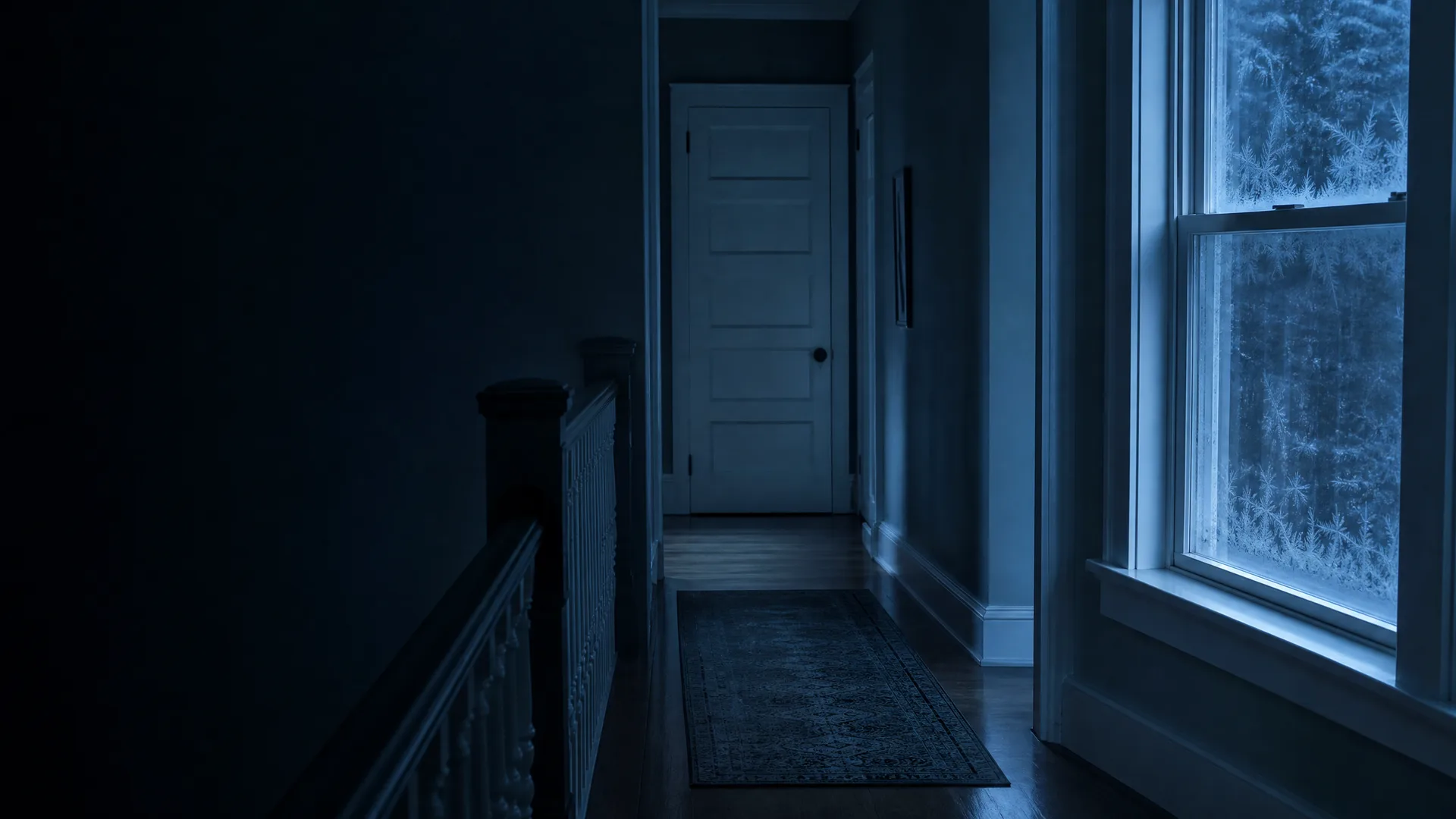
You're up at 2 a.m. because the house feels wrong. The hallway floor is cold under your feet, and when you stop at the vent outside the bedrooms, you can't hear the furnace at all. No hum from the blower, no rush of air, nothing. The window at the end of the hall has frost creeping up from the sill, and the glass throws back a dim blue light from the streetlamp outside. You stand there a second, waiting for the furnace to kick on like it should. It doesn't. Upstairs is quiet in a way it shouldn't be in the middle of January, and you already know you're not getting back to sleep without checking the thermostat.
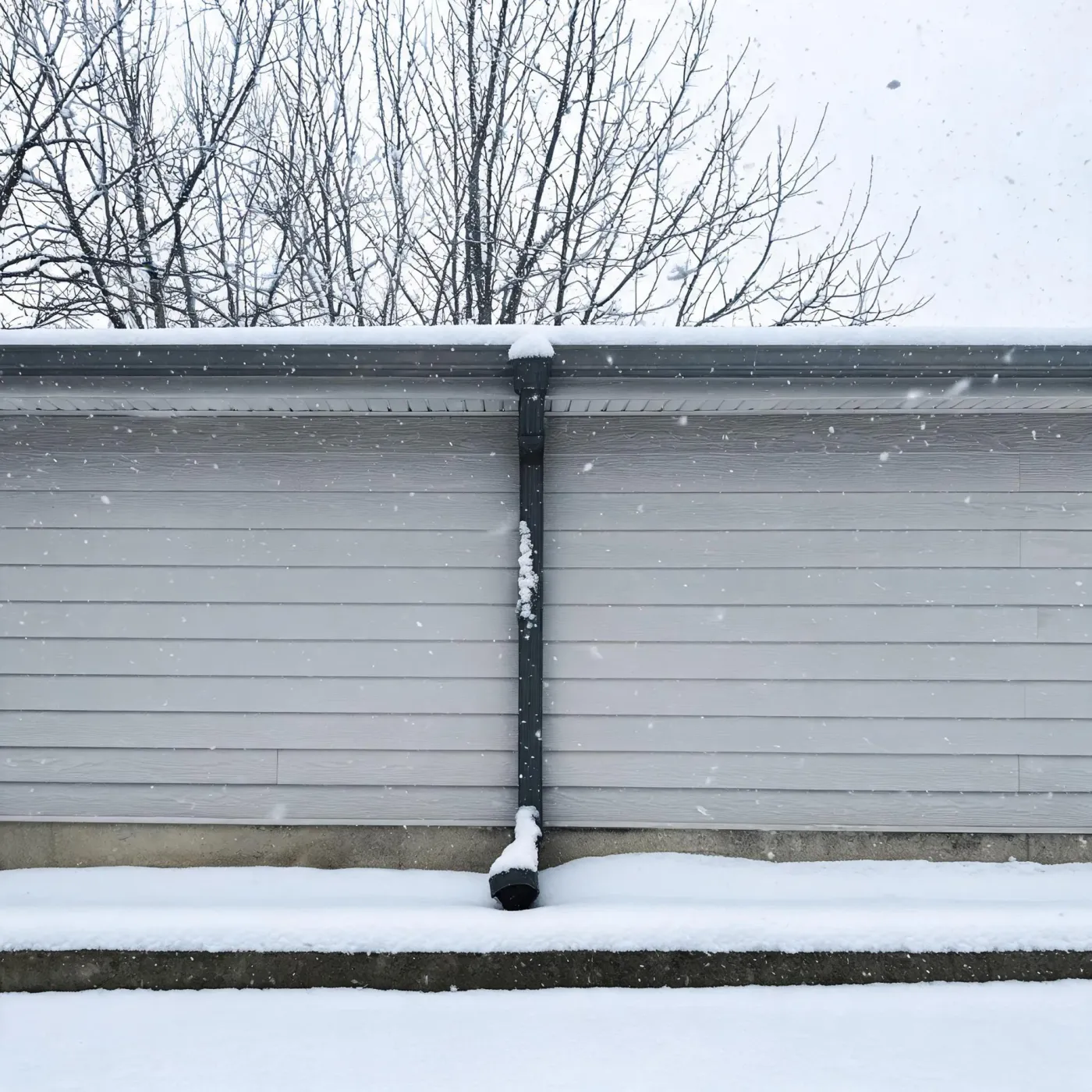
Statewide, winter nights average 28°F, and that's the stretch where a furnace blowing cold air stops being an annoyance and starts being a real problem. At that temperature a house loses heat fast once the burners quit lighting, and a blower pushing cold air through the ducts pulls the indoor temperature down even quicker than a furnace that's just silent. You'll notice it first in the rooms farthest from the furnace, the ones that were already the last to warm up. By the time the thermostat shows a few degrees off, the air coming out of the vents has been cold for a while. Source: NOAA climate normals.
NOAA nClimDiv 1991-2020 county normals weighted by homes


The thermostat calls for heat and opens the gas valve
The igniter heats up or sparks to light the burners
The flame sensor confirms a flame is actually burning
The blower motor starts once the heat exchanger is warm


At 28°F, a house sheds heat fast once the burners stop lighting. A furnace stuck blowing cold air at that temperature can let a place go from comfortable to genuinely cold within an hour or two, not overnight.
NOAA nClimDiv 1991-2020 county normals weighted by homes



A furnace blowing cold air in a Delaware winter comes down to the igniter, the flame sensor, or a thermostat fan setting left on. One of those is stopping the burners from lighting while the blower keeps running anyway. None of that gets better by waiting through a night at 28°F.
Instead of calling around to different repair outfits and explaining the same cold-vent problem each time, you can get matched with a contractor who works on furnaces like yours and have them reach out to you directly. That skips the part where you're the one doing the legwork, sorting through quotes, repeating yourself on the phone, while the house sits cold.


Explain the job once and skip repeating it on every call.